

Explore the Best Travel Credit Cards Without Foreign Transaction Fees – Hassle-Free Spending Worldwide
Travel has truly become easier, compared to the days when carrying cash was the only option. One issue does stick around though— foreign transaction fees . Each time you make a purchase abroad (or sometimes even online with international retailers), many credit cards charge an extra percentage. Over time and across trips, these fees add up—sometimes unexpectedly.



This article is for anyone considering international travel, expats, digital nomads, or frequent online shoppers who want to avoid unnecessary costs. Understanding your options could help you keep more money in your pocket and enjoy your experiences a bit more.
We’ll examine why choosing a travel credit card with no foreign transaction fees matters, outline how these cards work, and suggest popular cards now available. The goal isn’t just to spotlight specific products, but to help you make more informed, cost-effective travel choices—wherever you roam.

Why Choose Travel Credit Cards Without Foreign Transaction Fees?
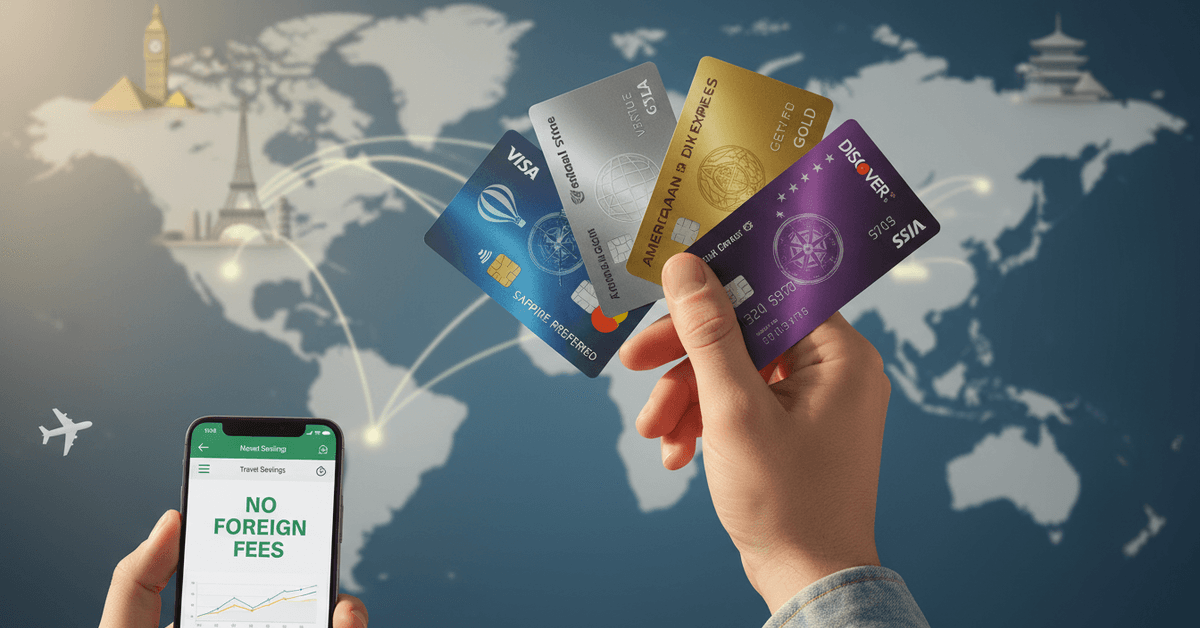
There’s no shortage of credit cards advertised as “travel-friendly,” but many sneak in fees that go unnoticed until your statement arrives. These foreign transaction fees —often around 3%—can be a real surprise. Even for small purchases, they stack up, especially if you rely on your card for most spending abroad.
The True Cost of Foreign Transaction Fees
Suppose you spend $2,000 abroad in a month. A 3% fee would cost you an extra $60 for nothing beyond the privilege of using your card. It seems minor until you multiply it by several trips. To some, the fee might be negligible; for others, especially frequent travelers or remote workers overseas, avoiding it can mean the difference between splurging on that guided tour—or skipping it entirely.
Ease of Use While Traveling
Travel cards without foreign transaction fees also tend to offer features travelers find useful. For example, some include chip-and-PIN capability for European terminals, purchase protections, or complimentary travel insurance. Maybe these don’t matter for every trip, but more comprehensive protection rarely goes unnoticed in an unfamiliar country.
How to Evaluate Travel Credit Cards for International Use
It’s easy to focus on flashy sign-up bonuses, but, really, the devil is in the details when selecting the right card. For frequent travelers, or even infrequent ones who want a smooth experience, certain factors deserve a closer look.
Key Features to Consider
- No foreign transaction fees – Essential for cost-saving.
- Widely accepted network (Visa, Mastercard, American Express, etc.)
- Competitive rewards or cashback relevant to travel—think airline points or hotel stays.
- Reasonable annual fees (or ideally none, if possible).
- Strong travel insurance and emergency assistance.
- Mobile app quality and customer service accessibility while abroad.
Not every traveler will rank these the same way. Sometimes, the appeal of a high bonus outweighs an annual fee, or the 24/7 emergency hotline feels necessary after a lost wallet abroad (speaking from indirect experience—long story!).
Leading Travel Credit Cards That Offer No Foreign Transaction Fees
Let’s explore a few well-regarded travel credit card options. These aren’t the only cards available, nor is this an exhaustive list. Instead, consider this a springboard; compare offers, terms, and user reviews to find a card that genuinely fits your travel lifestyle.
Chase Sapphire Preferred® Card
Widely recommended, the Chase Sapphire Preferred® Card offers no foreign transaction fees, a strong rewards program (especially on travel and dining), and a handsome sign-up bonus. Its points can be transferred to notable airline and hotel partners, which many find flexible. The annual fee is reasonable, though perhaps not negligible for some budgets.
Capital One Venture Rewards Credit Card
The Capital One Venture Rewards Credit Card stands out with flat-rate rewards on every purchase and—of course—no foreign transaction fees. Miles earned can be redeemed for travel purchases, and the card comes with some travel protections. Processing is also easy in most countries, since Capital One issues cards over the Visa and Mastercard networks.
American Express Gold Card
Not every merchant worldwide takes American Express, but the Amex Gold Card can work for travelers who prefer to earn big on dining and groceries, in addition to travel rewards. Perhaps it’s not always the main travel card, but can be a strong companion for certain spend types without incurring foreign fees. The annual fee is noticeably higher—some may find the perks worth it, others not as much.
Bank of America® Travel Rewards Credit Card
A straightforward option with no annual fee and no foreign transaction fees, the Bank of America® Travel Rewards Credit Card works well for bargain-hunters seeking easy, flat-rate rewards. While it may not offer the premium perks some other cards provide, its simplicity is appealing to occasional travelers or those new to the travel credit card world.
Discover it® Miles
The Discover it® Miles card has no annual fee, unlimited 1.5x miles per dollar, and no foreign transaction fees. However, Discover may not be accepted as widely in certain international locales. For trips to the U.S., Asia, and select European countries, though, it’s a practical alternative to more traditional cards.
Other Notable Cards to Explore
Some regional and credit union-issued cards are also worth investigating, especially if you value local banking support or lower interest rates. Options like the Wells Fargo Autograph Card , HSBC Premier World Elite Mastercard , and Barclays Arrival Plus have periodically offered no-foreign fee structures. Terms can shift, so double-check the cardholder agreement before applying.
Potential Drawbacks and Considerations
While travel credit cards can unlock savings, not every cardholder will find the benefits add up. There’s a risk of focusing solely on the “no fees” angle and missing details that matter: annual fees, variable interest rates, or even international acceptance hiccups. For example, American Express and Discover cards may work less reliably in certain countries, while Visa and Mastercard tend to enjoy broader global acceptance.
Billing and Currency Conversion Practices
Some merchants ask if you prefer to pay in your home currency rather than the local one—a practice sometimes called "dynamic currency conversion." It might sound convenient, but fees are often hidden in poor exchange rates. Even if your card skips foreign transaction fees, it’s usually best to be charged in local currency. Something to keep an eye on.
Annual Fees Versus Savings
There’s also a balancing act between saving on fees and paying annual fees. Not every frequent traveler prefers premium perks, and some manage well with no-fee cards that cover the basics. Preferences differ, and sometimes a card looks right on paper but isn’t quite as seamless abroad as advertised. If you know your habits—say, more train travel than flights—that influences which rewards structure works.
Tips on Applying and Using Your Card Abroad
Successfully using a travel card goes beyond selection. In practice, certain routines can make international spending simpler—while maximizing protections and rewards.
- Notify your card issuer before leaving—this can help avoid declined transactions.
- Bring a backup card—just in case your primary isn’t accepted (or is blocked).
- Use cards with EMV chip and contactless capability for modern terminals, especially in Europe and Asia.
- Check the expiration dates before you depart and have customer service contacts stored somewhere safe.
- If available, use your card issuer’s mobile app for transaction alerts and quick fraud reporting.
These habits may seem obvious, but in the blur of travel preparations, it’s surprisingly easy to forget the basics. Losing access to your main card mid-trip can be a headache—something most travelers would understandably want to avoid.