

Debt can feel overwhelming, whether it’s piling up from credit cards, personal loans, or unexpected expenses. Debt consolidation loans might present an option for those seeking to reduce their interest payments and bring order to their finances.
This article clarifies how these loans work and who could benefit, helping readers consider if they’re a good fit for their situation.


If managing multiple payments stresses you out or high interest rates seem to be holding you back, understanding consolidation may provide some hope and direction.
What Is a Debt Consolidation Loan?
A debt consolidation loan usually allows borrowers to combine several debts into one fixed monthly payment. Instead of paying multiple lenders, you pay just one.
This can make budgeting easier and might even lower the total amount of interest paid over time. Lenders may pay off your creditors directly, or give you a lump sum to do so yourself.
These are usually unsecured personal loans, but sometimes home equity loans are used as well. The exact mechanics depend on the lender and your existing obligations.
Why Consolidate Debt? Major Advantages
Consolidation loans have caught on with many, largely because of their potential to cut interest rates and streamline repayment.
People often look to them for relief from complex or rising balances. Let's take a closer look at the main reasons borrowers choose debt consolidation:
Lower Interest Rates
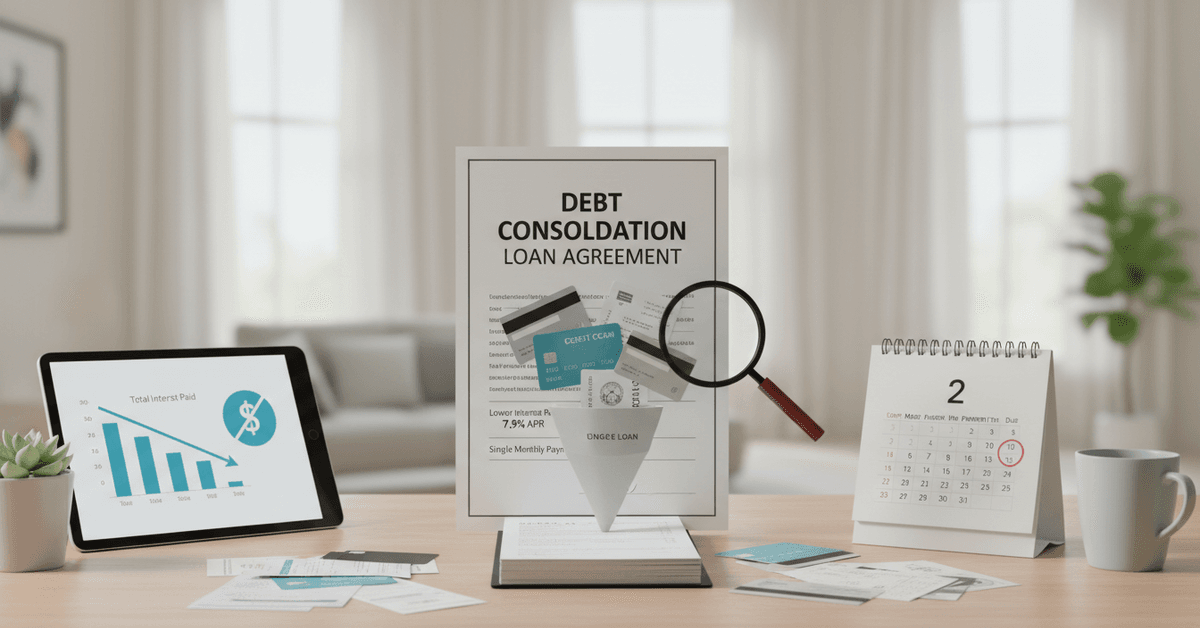
Arguably the biggest draw is the chance to replace high-interest accounts—like certain credit cards—with a single, lower rate loan. For some, this could mean slicing their interest burden in half.
Results depend on your credit profile, but those with fair-to-good credit might see substantial savings. Sometimes, people find offers with rates far below what they're currently paying, especially if their credit has recently improved.
One Monthly Payment
With multiple loans in play, juggling due dates or risk of missing payments rises. Debt consolidation can make things simpler by rolling everything into a single payment.
Not worrying about conflicting schedules or late fees can be a relief, and it might help avoid accidental credit score dips from missed payments.
The sense of organization is something many people mention, even if they're still paying the same total amount each month.
Faster Debt Payoff
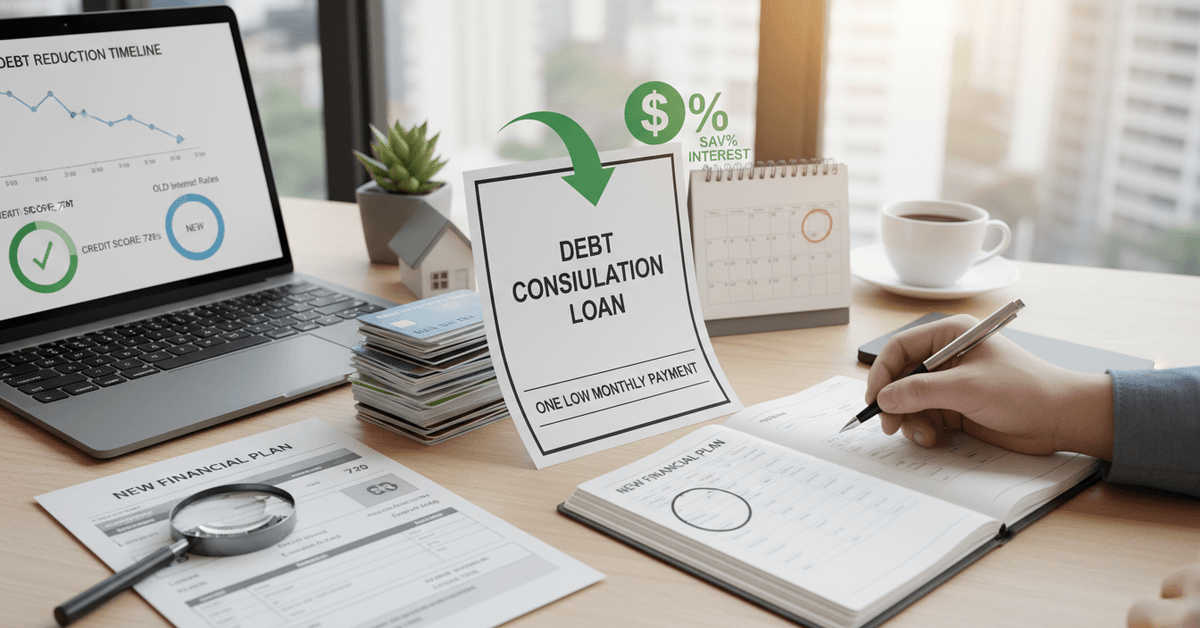
By lowering the interest rate and structuring repayment over a set term, some people pay off their debts sooner, even if they don't increase their payment.
Fixed repayment terms, such as three or five years, encourage more discipline than revolving credit might allow. Of course, actually sticking to the payment plan is vital. Still, the defined end date can feel psychologically motivating.
How to Qualify: Eligibility and Requirements
Lenders look at several factors when reviewing consolidation loan applications. Approval and rates vary based on creditworthiness, debt-to-income ratio, and loan size.
Here are some typical requirements worth double-checking in advance:
- Good or improving credit scores (preferably above 650, but criteria can differ)
- Steady monthly income, enough to cover repayment
- Reasonable debt-to-income ratio (usually below 40% is favorable)
- Proof of identity and employment (common for online or in-person applications)
Some lenders specialize in loans for people with less-than-great credit, though rates will be higher. Checking your credit report before applying often helps spot and correct any errors that could hold you back.
Ways Debt Consolidation Could Cut Your Interest in Half
Of course, not everyone slashes their interest costs by 50%, but it's certainly possible in the right situation. Let’s explore a simple scenario:
| Debt Type | Balance | Interest Rate | Monthly Payment |
|---|---|---|---|
| Credit Card A | $3,500 | 24% | $100 |
| Credit Card B | $5,000 | 22% | $150 |
| Personal Loan | $4,000 | 16% | $120 |
Total debt: $12,500. Average interest is over 20%. Suppose a consolidation lender offers you a 10% interest rate for the whole sum. That alone could nearly halve your interest expense, assuming you steer clear of new debt.
Types of Debt Consolidation Loans
It’s important to know there isn’t only one way to consolidate debt. People sometimes use different financial products, each with its own pros and cons:
- Unsecured Personal Loans : Most common; usually fixed rates and terms.
- Balance Transfer Credit Cards : Can feature low or even 0% intro APR for a set period. Useful for those able to pay off debt before rates rise.
- Home Equity Loans : Secured by home value, typically low rates, but come with risk if payments are missed.
- 401(k) Loans : Using retirement funds, though this is sometimes controversial due to potential penalties and impact on retirement planning.
Choosing the right method sometimes gets complicated. Some like the predictability of personal loans. Others prefer the potential savings of balance transfers, despite the risk of rates increasing later.
Homeowners may opt for a home equity product, albeit with extra caution. Thinking long-term can occasionally help clarify what’s best for your personal needs.
Things to Know Before Applying
Origination Fees and Other Costs
Some lenders charge upfront fees, known as “origination fees,” that reduce the net loan amount.
Occasionally, late fees or early repayment penalties sneak up on borrowers, too. Reading lender terms is worth the extra time, even if they seem full of fine print.
Impact on Credit Score
Consolidating debt can both help and hurt credit scores. Initially, opening a new loan produces a “hard inquiry,” and your average account age falls.
Over time, however, making on-time payments and reducing balances can build your credit, particularly if you don’t add new debts elsewhere. Checking your score both before and after consolidation might help set realistic expectations.
Temptation to Accumulate More Debt
After consolidating old debts, it’s sometimes tempting to use those now-empty credit cards again.
This can eventually create a bigger problem. Setting a budget or even closing some unused cards (with careful thought about credit utilization) can keep future balances in check, though advice varies by situation.
Who Might Benefit Most?
Debt consolidation isn’t a cure-all. It’s perhaps best suited for those with stable income and a real commitment to not borrowing more. People with several high-interest debts and a credit score good enough for low rates could see meaningful savings.
Yet, for anyone already close to default or unable to keep up with minimum payments, other solutions might make more sense—like nonprofit credit counseling or a debt management plan.
Alternatives to Debt Consolidation Loans
- Credit Counseling : Organizations offer free or low-cost advice, sometimes negotiating with creditors on your behalf.
- Snowball or Avalanche Repayment Methods : Focusing on one debt at a time using either balance size or interest as the primary criterion.
- Debt Settlement : This route can hurt your credit; only consider it as a last resort.
- Bankruptcy : Severe step with long-term effects, appropriate for truly unmanageable debt.
Each path offers its own blend of pros and cons. Sometimes a combination is appropriate, though it’s occasionally hard to choose without guidance from a financial advisor.
Practical Tips to Get the Most From Debt Consolidation
- Shop several lenders and check honest reviews for hidden costs or unfriendly fine print.
- Use a debt consolidation calculator (many on trusted finance sites like NerdWallet or Bankrate) to compare scenarios side by side.
- Keep making minimum payments on existing debts until your consolidation is formally completed to avoid late fees or injury to your credit score.
- Create a payment schedule and budget to keep track after funds are disbursed, as it can be easy to lose sight once multiple statements disappear.
While researching, staying patient can sometimes pay off. Offers change regularly, and an extra day or two of comparison might help avoid a costly misstep.
Legal and Tax Implications
Most debt consolidation loans won’t create tax events. However, debt forgiven through settlement or bankruptcy can sometimes count as taxable income. Home equity loans put your property at risk if you default.
Understanding your obligations before agreeing is crucial. Consulting a qualified tax advisor or attorney before making larger financial moves, especially if property or large sums are involved, is often recommended.