

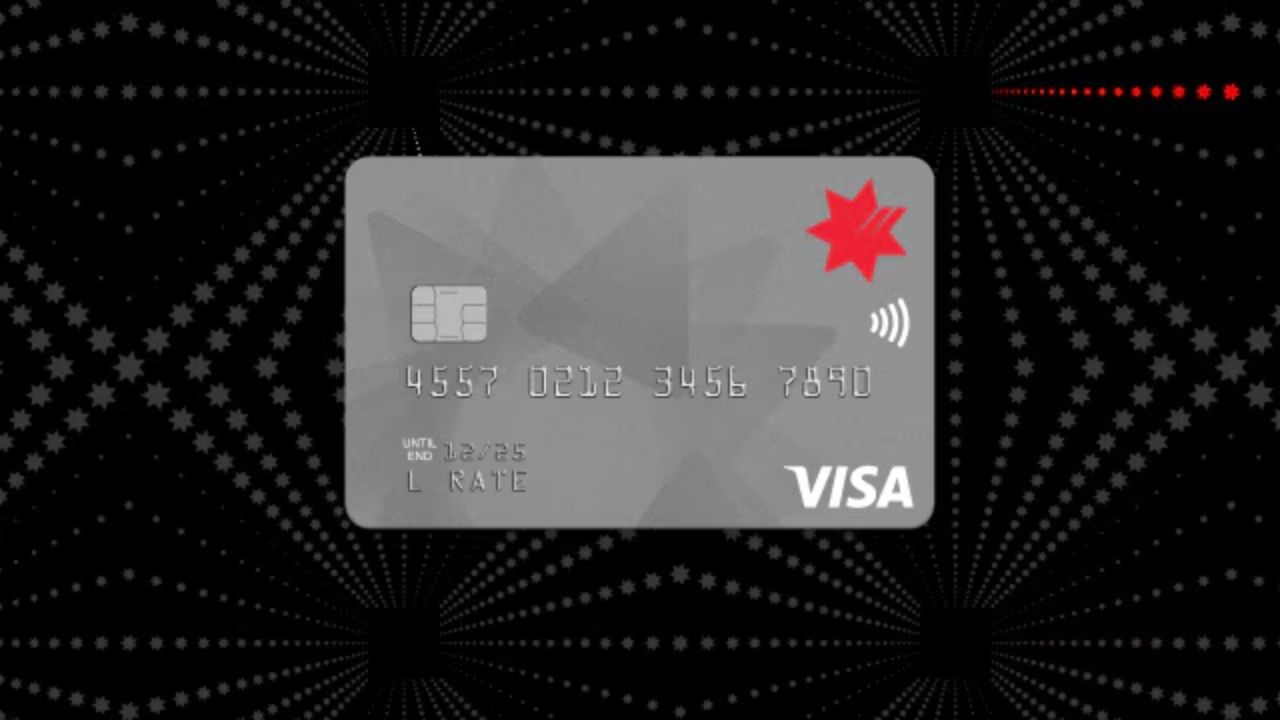
Getting your first credit card is easier when costs stay predictable. People search for the NAB Low Rate Card because they want lower interest, but beginners start with the NAB Low Fee Card because the annual fee is $30.
You get Visa acceptance and tools to track spending. Approval depends on NAB checks, so preparation matters. This guide keeps it simple.


Why the NAB Low Fee Card Works for First-Time Applicants
If you are new to credit, you need a card that is easy to manage. A low annual fee keeps your fixed costs down while you learn.
You also want clear pricing, security, and simple controls in the app. The NAB Low Fee Card is designed around those basics. Use the next points to decide if it fits your card plan.
Lowest Annual Fee for a Mainstream NAB Card
The biggest reason is the annual card fee of $30 per year. That is low for a mainstream card, so you can keep the account open without pressure to spend.
The minimum credit limit starts at $1,000, which covers typical monthly purchases. For a first card, that limit helps you practice control. You avoid paying extra just to access basic credit.
Fast Online Decision and Simple Setup
You can apply online, and NAB says the process can take 15 minutes. If your details match what they need, you may get a response in 60 seconds. That speed matters when you are comparing options and avoiding paperwork delays.
Online applications let you review fees before you accept. If you are approved, set up alerts right away to stay organized.
Everyday Security and Practical Extras
Security is a must on your first card. NAB highlights fraud and theft protection, plus security tools that detect suspicious activity. You can add an additional cardholder at no extra cost to track shared spending.
The card includes Visa offers like Visa Entertainment. If you travel, assistance for card emergencies can help. These extras add value without raising the annual fee.
Rates, Annual Fee, and Key Charges to Budget For
Before you apply, you should know the numbers that drive your cost. Interest rates matter if you carry a balance, and fees matter even if you pay in full.
You also need to understand cash advances, balance transfers, and foreign transactions. NAB publishes a rates and fees table for each card. Use the breakdown to plan your budget and avoid surprises.
Purchase Rate and When Interest Starts
For purchases, the NAB Low Fee Card has a variable rate of 20.99% per year. Pay the balance by the due date to avoid purchase interest for that cycle. A budget and autopay matter more than the headline rate.
If you carry a balance, interest builds daily until cleared. Treat the card only as a payment tool, not extra income.
Annual Fee, Minimum Limit, and Balance Transfer Basics
The annual card fee is $30, and the minimum credit limit is $1,000. Those numbers set your cost and capacity. NAB may run promotions, such as cashback offers, so read the offer terms before you apply.
Promotions have time limits and revert to standard pricing later. If you plan to transfer debt, confirm the balance transfer fee and the reversion rate.
Cash Advance and International Transaction Costs
Cash advances cost more than purchases, so avoid them if possible. The cash advance interest rate is 21.74% per year, and interest starts immediately. NAB also charges a cash advance fee of 3.5% of the amount, with a $3.50 minimum.
For foreign currency purchases, the international transaction fee is 3.5%. If you travel, you may want a card for trips.
Late Payment and Other Avoidable Fees
Late payments trigger fees and interest, so use reminders. NAB lists a late payment fee of $20 if you miss the minimum payment by the due date. You may also lose interest free benefits when you carry overdue amounts.
Enable direct debit for the minimum, then top up manually. Keep your limit usage low and your history strong to build trust.
Which NAB Card Is Right for You
Choosing the right card depends on how you will use it. If you pay in full, fees matter more than interest rates.
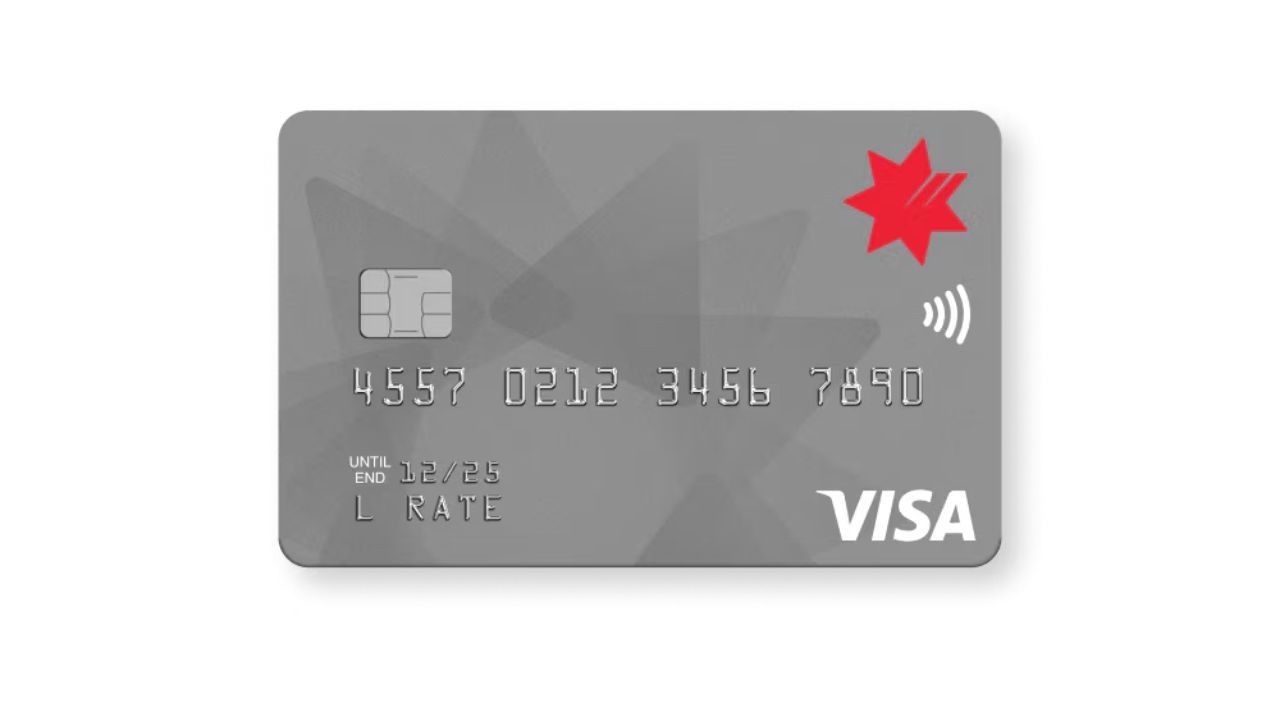
If you carry a balance, the interest rate becomes the main driver. NAB offers both a low fee and a low rate option for beginners. Your goal is the lowest total cost. Use the comparisons below to pick confidently.
When the NAB Low Fee Card Makes Sense
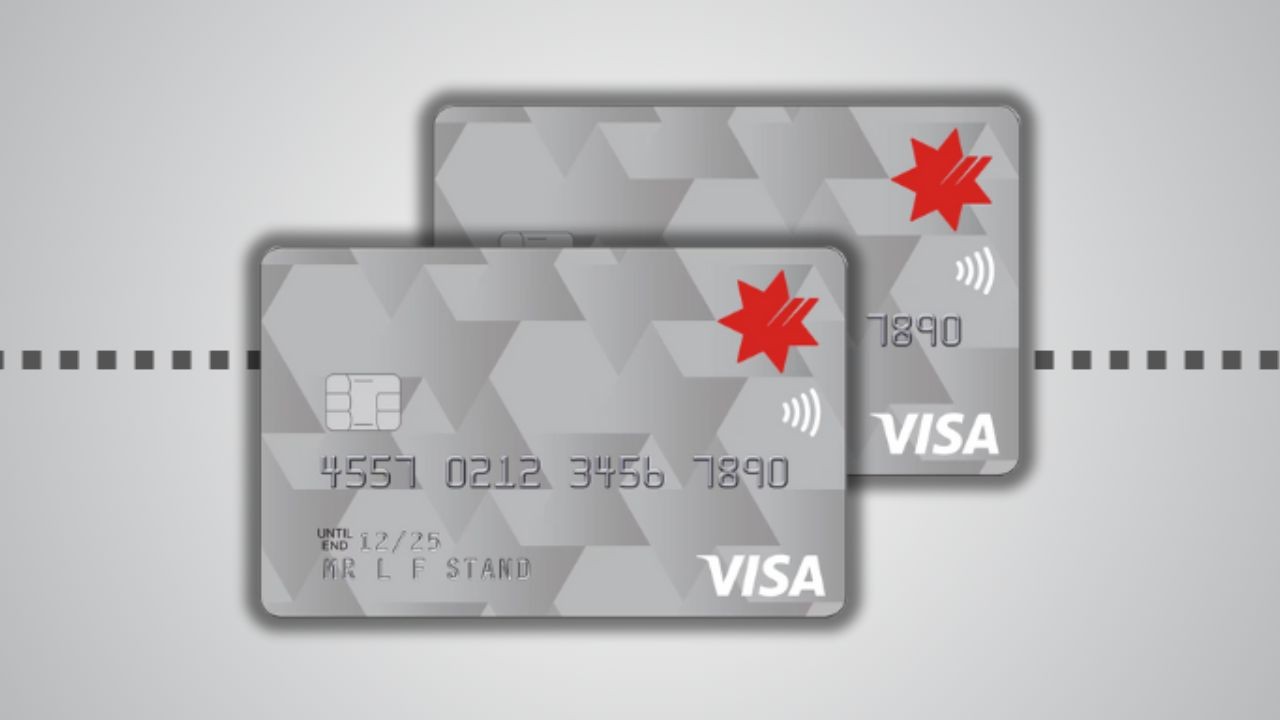
Choose the NAB Low Fee Card if you want a starter card and plan to pay on time. The annual fee is $30, so the fixed cost is simple to justify. You get a credit limit of $1,000 or more, plus Visa acceptance.
This option fits groceries, fuel, and bills. Use it to build history, then upgrade when your needs change.
When the NAB Low Rate Card Is the Better Fit
Choose the NAB Low Rate Card if you expect to carry a balance. NAB lists a variable purchase rate of 13.49% for this card.
The annual fee is $59, so you trade a higher fee for a lower rate. It also offers up to 55 interest free days on purchases when you pay on time. Compare total cost using your balance.
A Simple Decision Checklist Before You Apply
Use a checklist before you choose. First, decide if you will pay in full or carry a balance. If you pay in full, the annual fee is your main fixed cost. If you carry a balance, the interest rate can outweigh the fee quickly.
Second, check your foreign currency spending. Finally, avoid cash advances, because they start interest right away.
What to Prepare When You Apply for the NAB Low Fee Credit Card
Preparation turns an application into a smooth process. Confirm you meet basic criteria, then gather the details NAB will ask for.
That includes your personal information, income, housing costs, and employment history.
Having this ready reduces errors that can slow approval. It also helps you choose a credit limit. Use the next steps to get your documents and numbers in order.
Eligibility Basics: Age, Residency, and Credit Checks
NAB explains that approval depends on factors like your age, income, and residency. You need to be 18, and the bank will run a credit check. If you recently made multiple credit applications, consider waiting so you do not look risky.
Keep bills paid on time and reduce outstanding debts. If you are unsure, check your credit report and fix errors.
Documents and Details to Have Ready
When you apply online, NAB says you should be ready with identification and contact details. You will need your employment status, employer name, and time in the role. Expect to enter your income, ongoing expenses, and current debts or credit limits.
Do not guess, so check payslips and recent statements first. Accurate numbers reduce follow up questions and speed up the decision.
Income and Identity Verification
After you apply, NAB may ask you to verify your income and identity. Their guidance lists payslips, tax returns, and income evidence. If you verify in a branch, you need original documents, not photocopies.
Prepare 1 primary photo ID, or a primary document plus a secondary document. Keep digital copies ready for uploads. This reduces delays when the bank requests checks.
How to Apply for the NAB Low Fee Credit Card, Track, and Get Help
Once you have your details ready, the application is straightforward. Your goal is to submit accurate information, then respond quickly if NAB asks for verification.
You also want to know what happens after approval, including card delivery and account setup.
Save the right phone numbers for urgent card issues. The steps below walk you through the process from start to finish.
Online Application Steps That Avoid Delays
Start by selecting the NAB Low Fee Card and checking the rates and fees. Next, complete the online form with your details, employment, and finances. Choose a credit limit that matches your income and budget.
Review your answers, then submit. NAB says applications take 15 minutes and may return a response in 60 seconds. If documents are requested, upload them promptly.
What Happens After You Submit
After submission, NAB assesses your application and may request verification. If approved, you receive your credit limit and account details. Set up NAB banking in app and enable notifications.
Confirm your due date and set direct debit for the minimum. Add the card to your mobile wallet for tap payments. For the first months, keep spending low and pay in full.
Customer Service Hotline and Main Office Location
For urgent help, NAB lists 1800 033 103 for urgent card support in Australia. If overseas, use +61 3 8641 9121 for card enquiries. NAB also uses 13 22 65 for general banking queries.
The registered office address is Level 28, 395 Bourke Street, Melbourne VIC 3000. Save these details and call immediately if your card is lost or stolen.
Conclusion
A low fee card is a practical way to start building credit. Pay on time and the $30 annual fee is the main cost. If you expect to carry a balance, compare the NAB Low Rate Card before you commit.
Prepare your details, apply online, and respond fast to verification requests. After approval, use alerts and direct debit to stay in control.
Note: There are risks involved when applying for and using credit. Consult the bank’s terms and conditions page for more information.