
Accessing loans with bad credit can feel overwhelming, especially in Brazil where financial systems sometimes carry extra layers of bureaucracy.
Still, for many individuals, having credit difficulties isn’t the end. It just shapes what solutions are practical and realistic.



This article is designed for people in Brazil who are concerned about a low credit score or negative records. If someone has been denied before, or just feels uncertain, this overview might offer valuable clarity.
The central benefit here is gaining a practical, realistic expectation — what’s possible, what isn’t, and how to avoid risks.
What Is Bad Credit in Brazil?
To begin, it helps to understand what bad credit means in the Brazilian context. Negative credit status generally results from overdue payments or debts registered at protection bureaus like Serasa or SPC. Over time, these records can restrict financial choices.
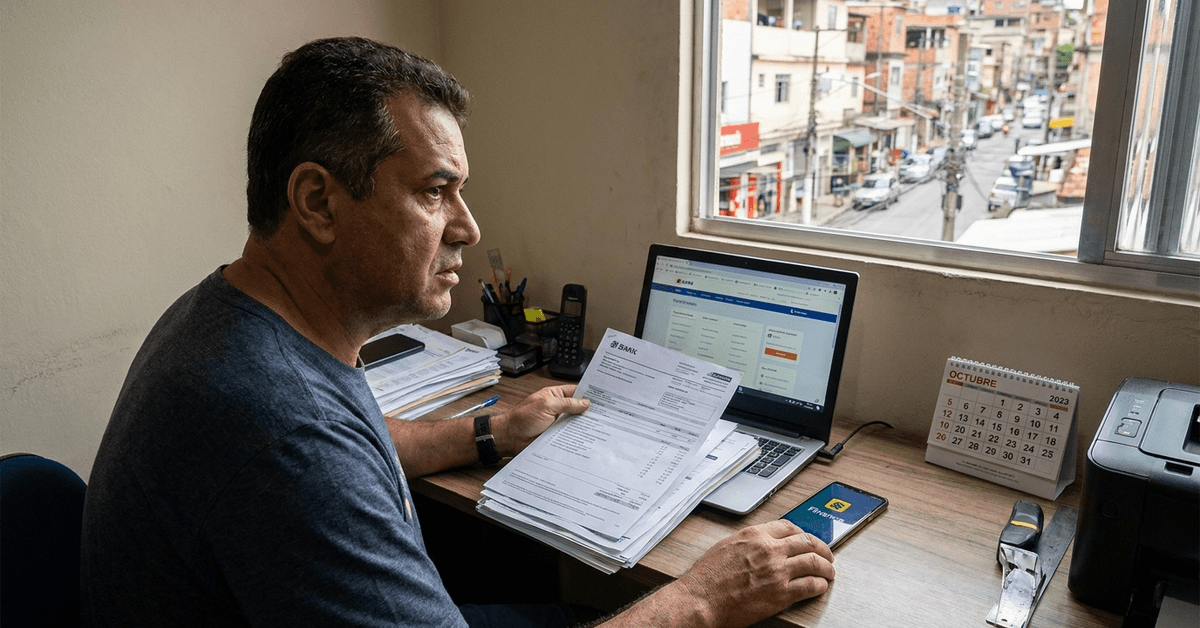
People often discover their situation after being denied a loan, a credit card, or even a payment installment plan. Occasionally, even minor unpaid bills can set this in motion. Yet, life has unpredictable turns, and even very responsible people might face these challenges.
Main Barriers to Getting a Loan with Bad Credit
Most banks and major lenders in Brazil use automated systems to check credit scores. Negative status triggers rejections or much stricter terms. This is why the search for loans for people with bad credit often leads outside traditional banks.
Borrowers sometimes face higher interest rates , lower available limits, and more paperwork. Unfortunately, there’s also greater exposure to questionable offers or outright scams, especially online.
What Legal Loan Options Are Available?
Despite the difficulties, some financial institutions and fintechs offer products tailored for people with negative credit. These include special lines such as consignado loans and secured loans, among others.
Consignado Loan
Known as empréstimo consignado , this type is usually for retirees, pensioners, or public servants. Payments are deducted directly from payroll or benefits, which reassures lenders and allows for lower rates, even with bad credit.
Secured Loan (Empréstimo com Garantia)
Secured loans require the borrower to offer a guarantee, such as a car or property. Because the risk for lenders is reduced, approval rates go up. However, failing to pay could mean losing the asset.
Online Lenders and Fintechs
Digital banks and online fintechs have emerged as alternatives. Some specialize in serving people with negative status. The process is often faster, and decisions might weigh other data besides credit score.
Microcredit Programs
Certain institutions, like the official Caixa Econômica Federal, offer microcredit lines meant for entrepreneurs or small businesses, even those with bad credit. Limit values are often low, but approval is sometimes easier.
Eligibility Requirements and Common Conditions
Requirements can vary depending on lender and product, but some things are fairly standard. Typically, borrowers need to:
- Be over 18 years old
- Have a verifiable source of income
- Present valid ID and sometimes proof of address
For consignado, being a pensioner, public servant, or INSS beneficiary is essential. For secured loans, legal ownership of the asset is required. Microcredit sometimes requests a proof of entrepreneurial activity.
Interest Rates and Additional Costs
One of the most significant realities for people with negative credit is the higher interest rates . Lenders usually charge more to account for perceived risk. Sometimes, this makes the loan difficult to sustain long-term.
Other costs, such as registration, insurance, or early settlement fees, can apply. Always check the total cost, not just the initial number — it’s surprisingly easy to overlook the long view when rushing for approval.
Main Challenges and Risks to Consider
It’s natural to feel eager for a solution, but some risks deserve particular attention. Fraud and scams targeting people who need quick money are common, especially online. Offers that seem too easy or ask for upfront payments should be treated with skepticism.
There’s also the risk of worsening debt. Repaying a loan with high rates could be harder than anticipated, and rolling over balances is rarely a good move. Sometimes saying no, or considering an alternative path, might be a relief later on.
How to Check Your Credit Status in Brazil
Understanding exactly what is on one’s record can clear confusion. It is possible to check personal credit status through the official Serasa website. This service is free and gives insight into negative items and score.
Knowing the starting point can sometimes open up negotiation. If a record is outdated or incorrect, it’s worth asking the bureau to revise it. The path may not be simple, but it’s available.
Comparing Main Loan Providers and Alternatives
The marketplace for less-than-perfect credit is diverse, with both traditional and new players. Some banks, like Banco do Brasil and Bradesco, occasionally offer special lines to customers, especially for payroll-deducted products.
Online platforms such as Geru or Creditas are also popular choices, thanks to better digital experiences and sometimes more flexible analysis. However, each has specific requirements and unique advantages. Comparing them thoughtfully helps avoid unpleasant surprises.
Can Bad Credit Be Improved for Future Loan Eligibility?
Although a negative record can last for five years, improvements are possible. Updating debts, paying off overdue accounts, and using entry-level credit products responsibly may boost credit profiles over time.
In recent years, some lenders, especially digital banks, consider not just traditional bureaus but payment behavior, digital footprints, or even utility bill records. The landscape seems to be changing, but progress may be gradual rather than sudden.
Where to Find Reliable Information and Support
To avoid misinformation, it might be better to consult official sources. The Central Bank of Brazil offers an information portal (https://www.bcb.gov.br/) with updated legal requirements, consumer protections, and tips for financial health.
Free credit counseling services and government-backed negotiations sometimes provide a safer alternative to navigating options alone. Each case is unique, so careful research or professional advice might be particularly prudent.
Conclusion: Making Informed Decisions About Loans with Bad Credit in Brazil
Navigating the Brazilian loan industry with bad credit isn’t easy — but it’s not impossible either. For many, finding options like consignado or secured loans can ease immediate needs. Others might see online fintechs and microcredit as decent alternatives, even if amounts are modest and terms require attention.
Whatever the choice, understanding the field and assessing not just the benefits, but also the long-term risks, makes a difference. Bad credit need not define the journey, even if it shapes the available roads. Sometimes the path forward involves patience, sometimes seeking help, and occasionally, just waiting until conditions are a bit more favorable.
No loan will solve every problem, yet careful investigation and honest self-assessment certainly help avoid regrets later. The Brazilian financial system, while complex, still allows space for second chances — with a dose of caution and realism, of course.