
Becoming a delivery rider in Europe can unlock flexible income with high demand across many cities.
For anyone considering a job in this growing sector, understanding pay, requirements, and application steps is essential.



This guide provides practical information and realistic advice for those interested in this career path.
Why Delivery Rider Jobs Are Rising in Europe
Online food delivery has seen substantial growth in Europe. People value convenience, and more choose delivery services for meals, groceries, and essentials.
As a result, new opportunities for riders are opening up across major European countries, promising reliable work and adaptable shifts.
European cities often have bustling urban centers and dense populations. This environment fuels the success of app-based platforms.
For many, being a delivery rider fits nicely alongside studies, another job, or family responsibilities. There’s something appealing about the independence offered by this type of work.
Average Pay for Delivery Riders
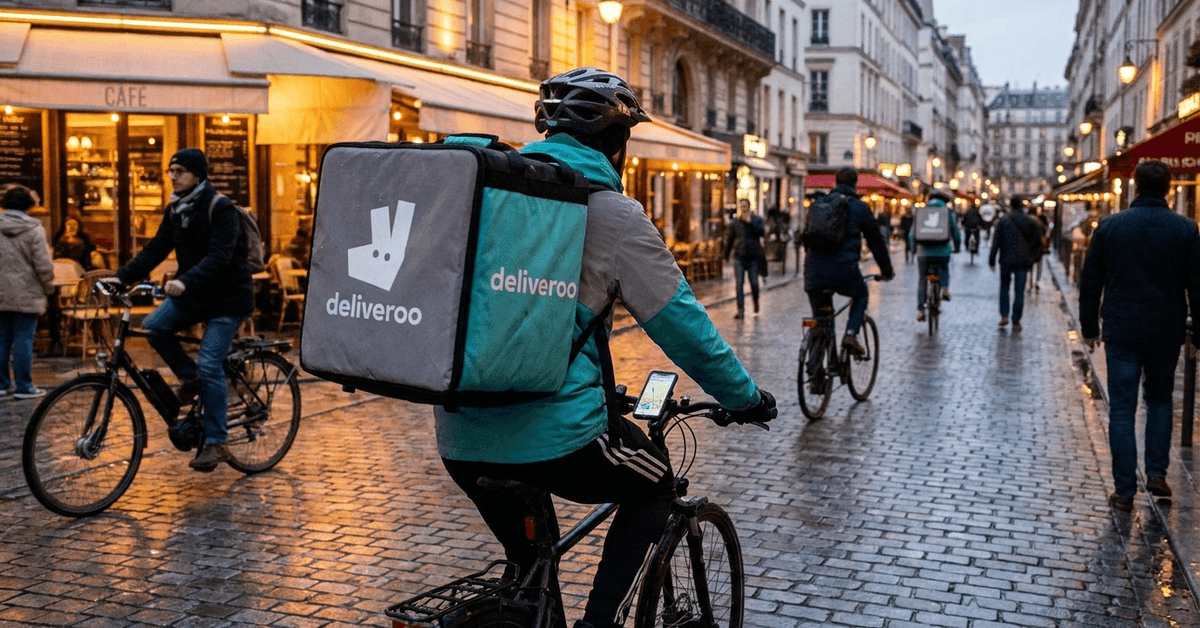
Pay varies by country, platform, and even city. Most delivery riders in Europe earn through a combination of base rates, per-delivery fees, and sometimes bonuses or incentives.
Earnings are typically paid weekly or bi-weekly, depending on the company. For some, the income is steady; for others, it can fluctuate due to demand, weather, or personal availability.
Common Pay Structures
- Per delivery fee: A set amount for each completed delivery
- Hourly guarantee: Some platforms offer a minimum hourly rate during peak hours
- Bonus incentives: Extra pay for completing multiple deliveries, working late-night, or covering busy areas
In Western Europe, average earnings range from €8 to €15 per hour. Countries like Germany, France, and the Netherlands often lead in pay rates, influenced by cost of living and platform competition. Earnings in Southern or Eastern Europe might be a bit lower, but they often match local wage standards.
Delivery Rider Requirements in Europe
Most platforms have a set of requirements that are straightforward but important to note. The majority of roles are open to people aged 18 and older.
Reliable transportation—such as a bicycle, scooter, or car—might be necessary, depending on the city or company. Some cities even have e-bike rental options for riders.
What You Typically Need
- Valid ID or residency permit (depending on the country)
- Smartphone with internet access
- Bank account for payments
- Access to an appropriate vehicle (bicycle, motorbike, or car)
- Proof of insurance may be required for certain vehicles
Many platforms require a background check, and some may ask for additional documents. The process is generally managed online, making it accessible to most people.
How to Apply for Delivery Rider Jobs in Europe
The application process is streamlined for ease. Most leading delivery platforms have web portals or app-based sign-up forms. Applicants can start by creating an account, then uploading required documents and vehicle information.
Leading Platforms Operating in Europe
- Deliveroo
- Uber Eats
- Glovo
- Just Eat
- Wolt
Each platform might have slight variations in process, but the main steps are predictable. After applying, there’s usually a brief vetting period. Some platforms offer onboarding sessions, while others provide training materials online.
Necessary Steps to Complete an Application
- Register online through the official website or app
- Upload identification, vehicle, and insurance documents
- Complete a background check if required
- Often, complete a short training or introductory module
- Start accepting deliveries after approval
To explore current openings and apply, you may visit the official Uber Eats application page. It’s an established and well-known platform operated in most European countries.
Tips to Boost Earnings as a Delivery Rider
Earnings can be influenced by strategy. Many riders find that working during lunch and dinner rush hours leads to higher delivery volume. Operating in densely populated districts or city centers often brings more consistent assignments.
Enhancing Your Delivery Experience
- Keep your phone fully charged to avoid missing delivery requests
- Dress appropriately for local weather to ensure comfort and safety
- Regularly review platform updates for new bonus programs or shifts in policies
- Maintain a positive attitude with customers and merchants
Some riders integrate with more than one platform, increasing order opportunities. It’s a flexible environment, so adaptability often leads to greater success, though experiences vary and sometimes it takes experimenting to see what approach works best.
Legal, Tax, and Local Rules for Delivery Riders
In Europe, legal status often classifies riders as independent contractors rather than employees. This status brings independence but also responsibility, especially regarding taxes and local regulations.
Understanding Tax and Insurance
- It’s important to register as self-employed, or the local equivalent, if required
- Riders may need to submit annual tax returns on delivery income
- Vehicle insurance for work use is required in some countries
- Some cities have local fees or registrations for riders using specific motor vehicles
Consulting an accountant or local labor office helps clarify obligations. Tax rules sometimes shift, and guidance from those familiar with current policies in your city is often the best route for peace of mind.
Platform Comparisons and Work Conditions
Choosing between platforms like Uber Eats, Just Eat, or Glovo depends on location and individual preference. While some platforms excel with bonuses, others offer steadier base pay or unique perks to riders.
Factors such as payout frequency, support responsiveness, and available delivery zones differ from city to city. Experiences often change over time, with new features or pay adjustments introduced on a regular basis.
Where to Find Official Rider Openings
Opportunities appear regularly on popular job portals, as well as on the official sites for delivery platforms. One example is the Deliveroo rider recruitment page, which details requirements, pay structure, and application steps for multiple European countries.
Official platform websites provide up-to-date roles, terms, and onboarding resources. Reviewing more than one site gives a better sense of expected standards and options, as each platform highlights regional differences clearly.
Conclusion: Delivery Rider Jobs in Europe – Flexible and Accessible
Delivery rider roles in Europe offer adaptable work, fair earnings, and entry with minimal barriers. Whether exploring part-time or full-time, this job path suits a wide audience. Some find the independence refreshing, while others see it as a stepping stone or a practical way to supplement income.
For accurate application details and to get started, check official links like those of Deliveroo and Uber Eats. Investing a bit of time researching local requirements supports a safer, more successful start in this dynamic, fast-evolving field.