
Delivery services have grown rapidly across Spain. For many, becoming a self-employed rider offers flexible income and the chance to run your own business.
But the process can be confusing at first, especially with Spain’s particular requirements.



This guide aims to simplify each step. If you're considering a career as an autónomo delivery rider in Spain, you'll find honest answers to common questions about registration, choosing platforms, legal compliance, and practical challenges.
Why Choose Self-Employed Delivery Work in Spain?
Choosing to work as a self-employed rider, or rider autónomo , has some unique advantages. There’s a high demand for delivery in urban areas, and most major cities have thriving app-based platforms searching for new partners.
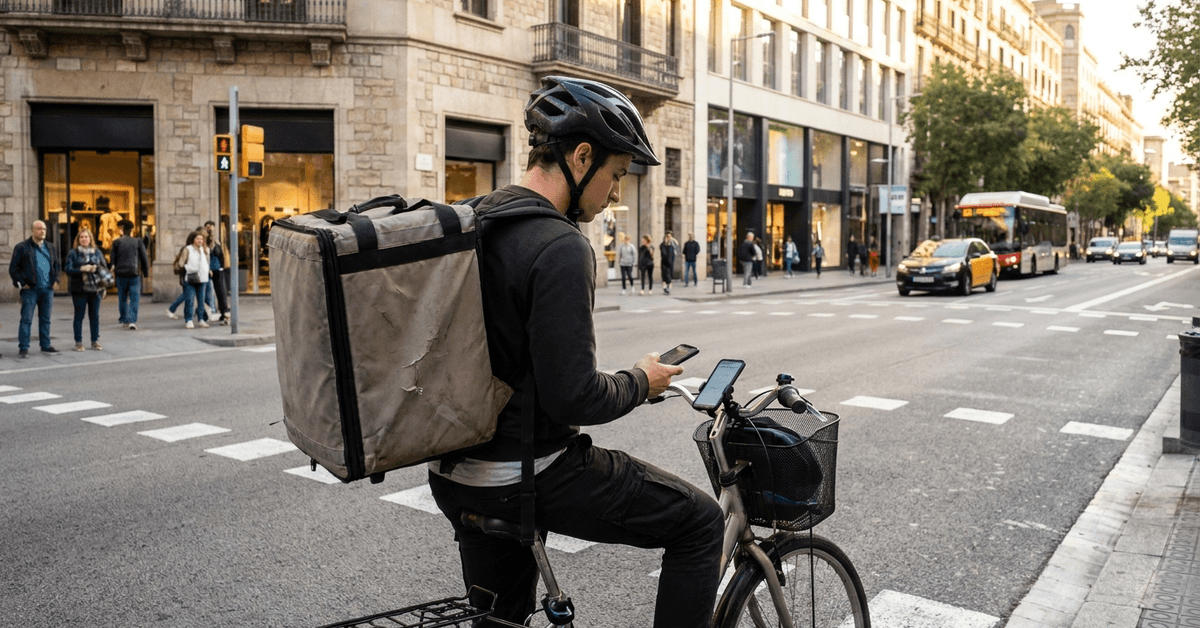
Being self-employed provides independence to set your schedule. Some riders appreciate the ability to select which orders to accept, adjusting their workday as needed.
For students and those between jobs, it's a practical side income with relatively low start-up costs.
Understanding the Delivery Rider Market in Spain
Spain's major cities—Madrid, Barcelona, Valencia, Seville—host a broad range of delivery opportunities.
The combination of residential demand, restaurant culture, and e-commerce has kept order volumes high, especially during evenings and weekends.
Major platforms such as Glovo, Uber Eats, and Stuart are well-established here. This competitive landscape creates robust opportunities but also requires a good understanding of each platform’s requirements and commission structures.
Requirements to Become a Self-Employed Delivery Rider
Working as a self-employed rider in Spain demands compliance with specific regulations. This doesn’t have to be overwhelming, but being aware of what’s needed beforehand can prevent headaches.
Legal Status: Registering as an Autónomo
Self-employed status, or autónomo , is mandatory for independent delivery riders. registration happens at both the Agencia Tributaria and the Social Security office. Registration can often be completed online, though some prefer visiting local offices for support.
Required Documentation
You'll need a national ID card (DNI or NIE), a valid bank account, and sometimes an EU residency certificate. Having all documentation prepared tends to speed up the process.
Equipment and Financial Considerations
Most riders use a bicycle, scooter, or e-bike, along with a smartphone and secure delivery bag. Startup costs can vary based on chosen vehicle and whether you already own essential items, but entry is relatively affordable compared to many other self-employed fields.
Steps for Registration as a Self-Employed Rider
The process of becoming legal in Spain is methodical rather than quick. Here's a simplified overview for clarity, but each step might involve small delays, depending on your city and local administration volumes.
Step 1: Obtain Your Digital Certificate
Before online registration, you often need a digital certificate (certificado digital). This lets you complete tax and social security forms securely. The official platform for this is the Sede FNMT.
Step 2: Register as Autónomo (Social Security)
Once you have your certificate, registration with Spain's Seguridad Social is required. This involves enrolling in the RETA (Special Regime for Self-Employed Workers) and confirming your contribution rate. Rates change regularly, so checking official guidelines is wise.
Step 3: Register at the Tax Office (Agencia Tributaria)
The next formality is at the Agencia Tributaria. You’ll declare your economic activity using the relevant tax codes (IAE). This step ensures you’re officially listed as self-employed and can invoice clients legally.
Popular Platforms for Delivery Work in Spain
Spain hosts a variety of delivery platforms. Larger cities offer more choices, but popular national services are available almost everywhere. Each platform has its own onboarding requirements and commission rates.
Glovo
Glovo is one of Spain’s most recognized delivery brands. Riders have flexibility and can work in multiple cities, making it suitable for those who travel or relocate often.
Uber Eats
Uber Eats has expanded in Spain with strong brand recognition and a steady flow of restaurant partnerships. Earnings vary by location and rider speed but can be quite steady in metropolitan areas.
Stuart
Stuart caters to scheduled and on-demand deliveries for businesses, not just food. Reliable for those preferring consistent, pre-booked work over ad hoc orders.
How Much Can Self-Employed Riders Earn in Spain?
Earnings as a delivery rider in Spain are influenced by location, hours worked, platform choice, and time of day. Weekends and evenings are usually peak times, both for order volume and for extra bonuses.
Recent estimates suggest that riders typically earn between €8 and €14 per hour after platform fees, but before taxes and social security contributions. Some experienced riders reportedly achieve higher figures with optimized routes and multi-platform work.
Legal, Tax, and Insurance Considerations
The Spanish regulatory system is strict about declaring and paying taxes as an autónomo. Income tax is filed quarterly via the Agencia Tributaria , with annual summaries each spring. Forgetting or delaying filings can result in fines or blocked accounts, so regular reminders help.
Social Security Contributions
Monthly self-employment fees apply, adjusted for new entrepreneurs in their first years (tarifa plana). Staying up to date avoids unpleasant back-charges and is crucial for access to healthcare and work injury protection.
Insurance and Liability
Personal accident insurance isn't mandatory but is highly recommended. Some delivery platforms offer policies for active riders, though coverage levels differ. It’s worth comparing options for both vehicle and medical protection just in case.
Tips to Build a Successful Delivery Career
While the work might seem straightforward, building a stable income as a self-employed rider often means thinking ahead. Choosing high-demand areas, planning for peak times, and maintaining your equipment go a long way.
Balancing work across multiple platforms gives flexibility and mitigates the risk of changes to a single service. Being recognized for reliability can also lead to more frequent or higher-value orders, in time.
Useful Resources for Aspiring Riders
Several national bodies provide ongoing support. Spain’s Seguridad Social and Agencia Tributaria websites are the best places for official updates. Guides or forums for autónomos in Spain sometimes offer community support, but official channels should be trusted first.
To learn more and initiate your self-employment application, consider starting with the official Agencia Tributaria portal for updated forms and registration processes.
Conclusion: Is Self-Employed Delivery Work in Spain Worth Considering?
Choosing self-employment as a delivery rider in Spain isn’t just about the freedom of flexible work. It also means real responsibilities—registration, taxes, insurance, and equipment must be managed attentively, though sometimes the system feels surprisingly complex.
For those who value autonomy and are willing to stay organized, the benefits often outweigh the challenges. The sector shows no signs of shrinking, and opportunities for earning extra income remain robust. I suppose, as with many things, it depends on your willingness to adapt and keep learning.
If you're interested in launching your career as a delivery rider, find the right route for you and check Spain’s Agencia Tributaria’s registration page for up-to-date instructions and application links.