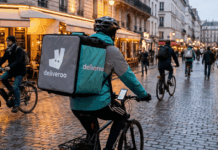

Europe food delivery helps you find local meal services that match your schedule, budget, and dietary needs.
This guide shows you how to compare options fast, check benefits first if you’re considering delivery work, and then review salary and pay structure clearly.



You will finish with a simple shortlist method that you can use in any European city.
What “Europe Food Delivery” Covers
European food delivery services include several types, each suited to a different daily need.
Better results come from choosing the right category first, then comparing providers within that category.
- Restaurant delivery platforms: Orders come from local restaurants and arrive the same day, often within set time windows.
- Prepared meal delivery services: Ready-to-eat or ready-to-heat meals arrive through weekly menus or subscriptions.
- Meal kits: Pre-portioned ingredients and recipes arrive for home cooking, reducing shopping and planning.
- Grocery and quick delivery services: Groceries and essentials arrive on demand, sometimes very fast, depending on the area.
- Local caterers and office lunch services: Scheduled meal drops work well for groups or recurring lunches, usually with set menus.

Start With Your Real Need
Start with a clear need, so the service matches the schedule, budget, and food preferences.
Set non-negotiables like delivery window, total fees, portion size, and dietary requirements before comparing options.
- Pick the main goal: Decide if the priority is speed, low cost, healthier options, family portions, or special diets.
- Choose order style: Confirm whether the need is one-time ordering or a weekly routine with planned deliveries.
- Set non-negotiables: Fix limits for delivery time, maximum fees, portion size, and dietary requirements.
- Define acceptable trade-offs: Decide what can flex, like cuisine variety, delivery window range, or packaging type.
- Create a short shortlist rule: Keep 2–4 options that meet the basics, then compare totals and reliability.
Main Types of Services You’ll See Across Europe
Main meal delivery options across Europe fall into a few clear categories.
Knowing the category first makes it easier to compare cost, speed, and reliability.
- Restaurant delivery platforms: On-demand meals from local restaurants, usually with same-day delivery.
- Prepared meal services: Ready-to-eat or ready-to-heat meals, often weekly menus or subscriptions.
- Meal kits: Pre-portioned ingredients with recipes for home cooking.
- Grocery and quick delivery: Groceries and essentials are delivered, sometimes within minutes in larger cities.
- Local caterers and office lunch: Scheduled deliveries for groups or recurring lunch plans, often set menus.
Practical Tips to Keep Costs Under Control
Keeping costs under control comes from repeatable habits, not constant deal hunting.
Small changes in timing, basket size, and provider choice can quickly cut fees.
- Compare the full total: Check the final basket total at checkout, not just menu prices.
- Avoid small-order fees: Add items to meet minimums or order fewer times with larger baskets.
- Order off-peak when possible: Fees and delays are often lower outside rush hours.
- Limit “add-on” spending: Skip extra drinks and sides unless they’re budgeted.
- Use a short shortlist: Stick to 2–4 reliable options to reduce impulse orders and pricing surprises.
- Batch groceries with meals: Combine essentials into a single order when the service supports it.
- Track one week of spending: Note totals, fees, and frequency to spot the real cost drivers.
- Cancel unused memberships: Remove subscriptions that don’t reduce the total often enough.
Health, Dietary Needs, and Allergen Safety
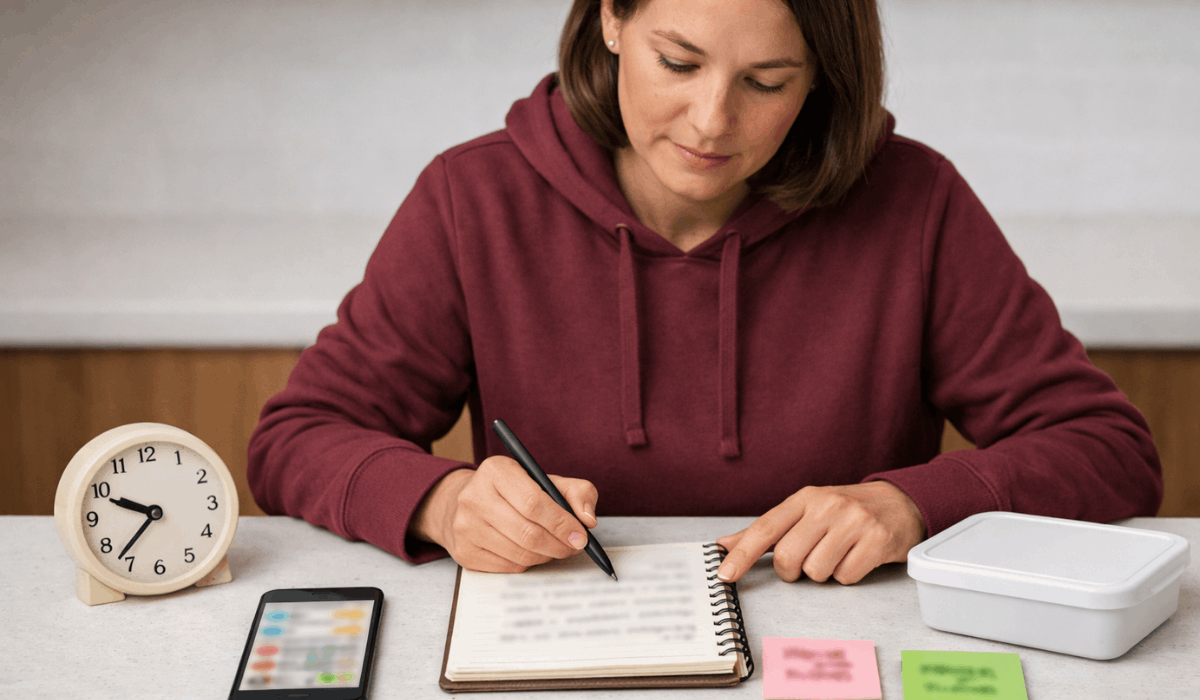
Health and dietary needs are easier to manage when filters and labels are checked before ordering.
Allergen safety needs extra care because menus and tags can be incomplete or inconsistent.
- Use diet filters carefully: Vegan, vegetarian, gluten-free, and low-calorie tags help, but ingredient checks still matter.
- Check full ingredient details: Look for item descriptions, allergen notes, and preparation warnings when available.
- Pick consistent providers: Choose places with repeatable labelling and stable menus, not random listings.
- Avoid “assumptions” on substitutions: Do not assume an item can be modified safely unless the provider confirms it.
- Use order notes when offered: Add short, clear allergy notes and keep them specific.
- Contact the provider for serious allergies: Use the chat or phone options, if available, before placing the order.
- Watch for cross-contact risk: Fried items, shared prep areas, and mixed kitchens can be risky even with a “free-from” label.
- Check packaging and labels on arrival: Confirm the correct item and avoid eating if anything looks swapped or unclear.
Red Flags to Avoid
Red flags usually show up in pricing, policies, and how the service handles problems.
Spotting them early helps avoid wasted money, late meals, and support issues.
- Hidden fees: Extra charges appear only at checkout, or the fee stack changes without warning.
- Confusing subscriptions: Auto-renew turns on by default, with unclear cancellation steps.
- Unclear coverage: Service claims delivery in the city, but blocks most postcodes or time slots.
- Weak support: Refund rules are vague, and help channels loop without solving missing items.
- Inconsistent pricing: Same basket total changes sharply by time, area, or device without explanation.
- Poor order accuracy: Reviews repeatedly mention missing items, incorrect orders, or damaged packaging.
- No clear business details: Missing address, unclear operator name, or no visible terms and privacy info.
- Aggressive promos: Big discounts tied to minimum orders, long commitments, or hard-to-exit plans.
Quick Start Plan for Your First Week
A one-week test helps identify which services are reliable in your area without wasting money.
The goal is to run a few controlled orders, then keep only the best options.
- Day 1: Define your rules — Set budget limit, delivery window, and dietary needs, then pick 2–4 services.
- Day 2: Check coverage — Confirm postcode availability, delivery hours, minimum order, and fee structure.
- Day 3: Run an off-peak order — Order at a quiet time and track total cost, speed, and item accuracy.
- Day 4: Run a peak-time order — Place an order during the dinner rush and compare delays, missing items, and support response times.
- Day 5: Test a second category — Try a prepared meal service or meal kit to compare value and convenience.
- Day 6: Review results — Compare totals, fees, reliability, packaging, and refund handling across orders.
- Day 7: Lock your shortlist — Keep 1–2 best options and save favorite meals to reduce future decision time.
Final Takeaway
Europe food delivery works best when the service aligns with real needs, such as timing, total cost, and dietary requirements.
Use the category-first approach, run two test orders, and keep only the options that stay reliable across peak and off-peak times.
Start your one-week plan today, track totals and accuracy, and lock a shortlist of 1–2 services that fit your routine.