

Accessing financial support with poor credit can feel complicated when lenders use different approval standards. Borrowers may face higher costs, smaller amounts, or requirements.
This guide explains bad credit loans, approval strategies, provider comparisons, legal considerations, and major risks. It also covers credit-building alternatives and safer borrowing habits without promising approval.



What Are Bad Credit Loans?
Bad credit loans are financing products for applicants whose credit histories may make conventional borrowing harder. The term covers several structures, so compare costs, collateral, and repayment requirements.
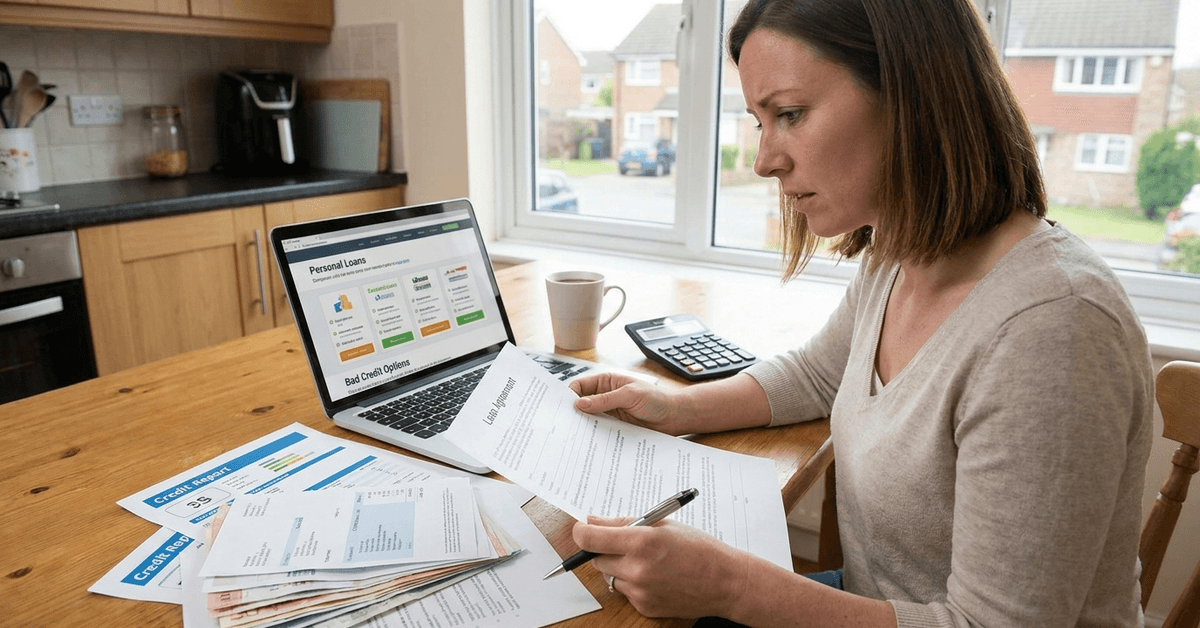
Types of Bad Credit Loans Available
Different products distribute cost and risk differently. Confirm whether the loan is secured, unsecured, or supported by another person.
- Unsecured personal loans for borrowers with weaker credit
- Secured loans requiring acceptable collateral
- Loans involving a guarantor or cosigner
- Payday-loan alternatives where available
- Credit-builder products designed to establish payment history
Typical Borrower Profile
These loans may appeal to people with missed payments, high balances, limited history, or previous financial difficulties. A lender may also consider income and existing debt rather than only a score. Eligibility depends on the borrower and lender.
Why Is Approval Challenging With Bad Credit?
Lenders may view a weaker credit history as indicating greater repayment risk. That can mean tighter requirements, higher pricing, or lower limits even when approval remains possible.
Common Hurdles to Watch For
Borrowers with poor credit may encounter fewer offers and more documentation requests. Understanding these common obstacles makes comparison more realistic.

- Lower approval odds with some lenders
- Higher APRs or fees
- Smaller available loan amounts
- More income or identity documentation
- Collateral or cosigner requirements
The Importance of Lender Reputation
Lender standards and customer practices vary. Review licensing, disclosures, complaints, and contact information before sharing sensitive details. A legitimate lender should allow time to understand costs and repayment terms.
How to Boost Your Approval Odds on Bad Credit Loans?
No strategy can guarantee loan approval, because every lender uses its own criteria. These steps can improve preparation and help borrowers focus on suitable offers.
1. Check and Monitor Your Credit Report
Reviewing your report can reveal inaccurate balances, unfamiliar accounts, or other errors before applying. U.S. consumers can obtain free weekly reports from the three nationwide bureaus through AnnualCreditReport.com.
Correcting genuine errors improves the accuracy of your credit file, but does not guarantee approval.
2. Compare Multiple Lenders
Compare APRs, fees, repayment periods, and eligibility instead of focusing only on monthly payments.
Some lenders provide prequalification tools before a full application. For example, OneMain publishes personal-loan information and prequalification on its official site.
3. Consider a Guarantor or Collateral
A cosigner, guarantor, or acceptable asset may strengthen some applications. Another person can become responsible for repayment, while pledged property may be lost after default. Consider these financial consequences carefully.
4. Limit Your Applications
A full application can create a hard credit inquiry that may affect a credit score. CFPB guidance says hard inquiries can influence scoring models. Targeting suitable lenders can limit unnecessary inquiries.
5. Strengthen Your Financial Profile
Lenders may consider income, existing obligations, and payment patterns alongside credit history. Improving these areas can make a future application more complete and manageable.
- Gather current payslips, bank statements, or tax documents when required.
- Reduce outstanding balances when practical.
- Avoid missed payments and overdrafts where possible.
- Build a realistic monthly budget before choosing a loan amount.
Comparing Bad Credit Loan Providers: What to Look For
Stress can make the first offer seem attractive, but careful comparison remains essential. Review cost, service, and repayment flexibility before signing.
Transparency About Rates and Terms
A reputable lender should clearly disclose the APR, fees, payment schedule, and late-payment consequences. Read the agreement rather than relying on promotional language alone. Ask questions when any cost or condition is unclear.
Accessible Customer Support
Reliable support matters when payment or account questions arise. Confirm verifiable contact channels before applying. Good service does not guarantee favorable terms, but poor access can complicate problems.
Flexible Repayment Structures
Some loans permit early repayment, alternative due dates, or other servicing options. These features can help if a borrower’s financial circumstances change. Confirm the actual contract terms because flexibility varies by lender.
Legal Considerations and Safe Borrowing
Credit laws vary by jurisdiction, so check the rules where you live. Legitimate providers should identify themselves and provide required loan disclosures before agreement.
Payday Loan Regulations
Payday-loan rules differ significantly between U.S. states and other jurisdictions. Some places restrict rates, loan amounts, rollovers, or availability. Check the appropriate financial regulator or consumer authority before using high-cost short-term credit.
Your Data Privacy
Loan applications require personal and financial information, making privacy practices important. Use official websites and review how the lender handles sensitive data.
Never provide banking passwords or unrelated account credentials simply because someone claims they are needed for approval.
Potential Risks and How to Manage Them
Bad credit loans can provide funds, but high costs can worsen financial pressure. Borrow only when scheduled repayments fit alongside essential expenses.
Recognizing Predatory Lenders
Pressure tactics, unclear pricing, guaranteed-approval claims, and requests for money before releasing a promised loan are warning signs.
The FTC warns that advance-fee loan scams often target people who have difficulty obtaining credit. Verify the lender before paying fees or sharing sensitive information.
When to Reconsider Taking Out a Loan?
Reconsider borrowing if repayments would leave too little for housing, food, utilities, or existing obligations.
A loan may also be unsuitable when it only postpones an unresolved monthly deficit. Seeking non-borrowing alternatives can be safer than accepting unaffordable terms.
Alternative Ways to Build Your Credit Health
Improving credit generally takes consistent behavior rather than one quick action. These long-term habits can reduce dependence on expensive borrowing.
- Make existing credit payments on time.
- Keep balances manageable.
- Consider secured cards or credit-builder products cautiously.
- Work with creditors when debts become difficult to manage.
- Use payment reminders or automatic payments when appropriate.
Check Your Personal Loan Options with Upgrade
Conclusion
Bad credit does not automatically eliminate borrowing options, but it makes careful comparison more important. Checking reports, limiting unnecessary applications, strengthening finances, and reviewing lender terms can support a better-informed decision.
Borrowers should avoid guaranteed-approval promises, advance-fee scams, and repayments that exceed a realistic budget. A cautious approach can improve the chances of finding credit that is safer and more manageable.