
Food delivery jobs have become a practical way for individuals in Spain to earn flexible income. The rise of gig economy platforms means that many people are exploring this career option.
But understanding how to get started, which platforms are best, and what you need before applying can be challenging. For those eager to supplement their income or create a more adaptable schedule, this guide provides a clear starting point.



The article is especially helpful for people who are new to the gig economy, students, or those needing part-time work. Learn not just how to apply, but also what you can expect, potential earnings, and tips to increase your success in Spain's competitive food delivery market.
Why Food Delivery Jobs Are Popular in Spain
This work appeals to diverse age groups. Some see delivering meals as a primary source of income, while others use it for extra cash. There’s a sense of independence with these jobs, perhaps appealing to those who dislike traditional work settings.
Steady Demand in Urban Areas
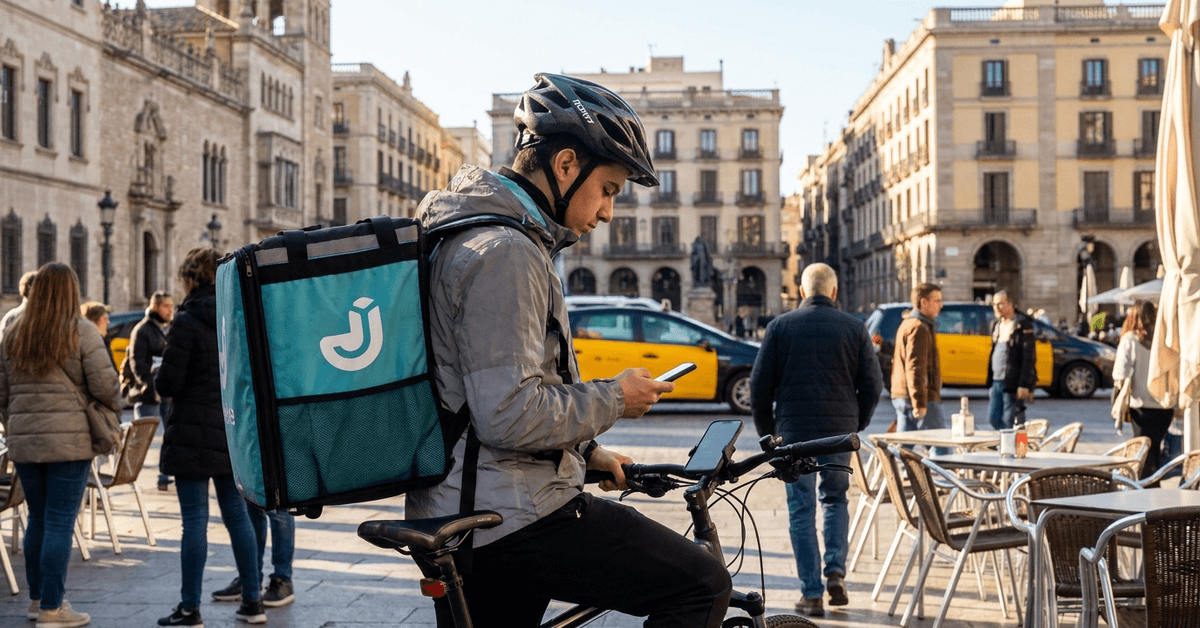
Spanish cities like Madrid, Barcelona, Valencia, and Sevilla experience strong demand for app-based food delivery. This demand is partly driven by changing lifestyles and increased reliance on digital platforms.
Flexible Work Hours
The flexibility of choosing schedules is a strong attraction. Many platforms allow couriers to work at times that suit them best, whether that's during busy lunch hours or late evenings.
Diverse Earning Opportunities
Couriers in Spain can earn through base pay, incentives, and customer tips. While not guaranteed, these additional earnings sometimes make a noticeable difference during peak periods.
Requirements for Becoming a Food Delivery Courier in Spain
Before applying, it's important to confirm eligibility. Certain conditions must be met—both for legal reasons and for platform-specific policies. Requirements occasionally shift, so double-checking is sensible.
Basic Eligibility Criteria
- Ages 18 or older
- Valid government-issued ID
- Spanish NIE or work permit for non-EU residents
Vehicles and Equipment
- Bicycle, scooter, or car (platforms may specify types)
- Smartphone with internet access
Other Considerations
- Depending on the platform, a background check could be required
- Basic local language skills often help with customer communication
Top Food Delivery Platforms in Spain
Most food delivery jobs in Spain are secured through apps. Choosing a reputable platform can affect earnings and job satisfaction. Talking with others who work in the role may also offer useful perspectives.
Glovo
Glovo is widely recognized for its coverage across Spain. The application process is usually online with quick onboarding.
Uber Eats
Uber Eats official courier page provides complete information on requirements and application steps. Uber Eats supports a variety of cities and offers both full-time and part-time opportunities.
Just Eat
Just Eat is one of Europe’s leading platforms. It is noted for straightforward onboarding and reliable payment systems.
How to Apply for a Food Delivery Job in Spain
The application process is predominantly digital. Setting aside time to gather documents and review requirements is helpful, especially for platform-specific onboarding.
Step-by-Step Application Process
- Visit the selected platform’s official website or download the app
- Create an account and provide basic personal details
- Upload required documents: identification, proof of eligibility, and vehicle details (if requested)
- Complete online orientation or training modules, which some platforms require
- Wait for approval; the waiting time varies by location and demand
Tips for Faster Onboarding
Ensuring that all documents are up to date can sometimes prevent onboarding delays. In busy cities, waiting periods may fluctuate due to demand for new couriers.
What to Expect Once Onboarded
After approval, the next steps often include downloading the courier app, setting up payment information, and collecting any platform-branded delivery equipment. Some platforms supply insulated bags or uniforms for free, others for a deposit.
Work Environment and Schedule
Most couriers set their own hours. However, peak times—lunch, dinner, and weekends—can offer greater earning opportunities.
Potential Challenges
There can be unexpected hurdles. Bad weather, traffic, or occasional app-related glitches sometimes affect daily routines. A little patience—or a sense of humor—can go a long way.
How Much Can You Make as a Food Delivery Courier in Spain?
Earnings potential varies. Several factors influence total pay, such as city size, chosen platform, and working hours. Tips and bonuses may improve the effective hourly rate.
Average Income Ranges
- Part-time: €200–€600 per month
- Full-time: €900–€1,500+ per month (fluctuates by region)
For more details, the Instituto Nacional de Estadística reports on employment averages, though gig work may show some variability in actual figures.
Ways to Maximize Earnings
- Work during busy hours for higher order volume
- Use more than one delivery app if policies allow
- Keep customer ratings high to receive bonus incentives
Legal and Tax Considerations
Food delivery workers in Spain typically register as autónomos. This classification carries tax, insurance, and reporting obligations. Keeping accurate records is a practical habit.
Self-Employment in Spain
The Spanish self-employment system (autónomo) involves registering with Social Security and fulfilling quarterly and annual tax payments. It may initially sound complex, even daunting, to some.
Insurance and Protections
Legal changes regarding rights and benefits for couriers continue to evolve in Spain. Some platforms may now offer limited protection insurance, but independent coverage is generally recommended for peace of mind.
Conclusion: Starting Your Food Delivery Journey in Spain
Food delivery jobs in Spain offer genuine flexibility and a path to supplementary income. The process of joining a platform is mostly straightforward, though understanding legal and tax obligations is essential.
Some days will be smooth; occasionally, a little unpredictable. With the right preparation, adjusting to this work can be rewarding—at least, that’s what recent experiences seem to suggest.
For those considering a first step into the gig economy, this route remains one of the most accessible ways to start earning on your own terms.