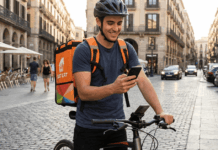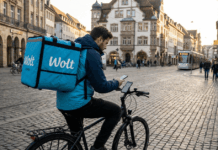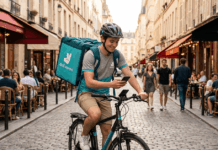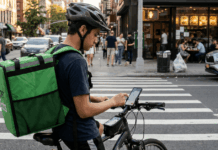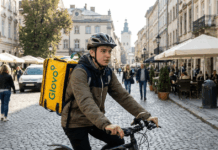

Food delivery jobs in France have grown rapidly, especially in cities like Paris, Lyon, and Marseille. Many look to Uber Eats as a flexible way to earn income, either full-time or on the side.
This guide explains what you need to start with Uber Eats in France, common requirements, and how the application process works step by step. It's tailored for both local residents and international newcomers seeking new earning opportunities.



Why Choose Food Delivery Work in France?
Working in food delivery offers independence, quick entry, and the chance to explore cities. In France, the demand for such services remains strong, not just in Paris but also in smaller urban centers.

Typical couriers range from students to gig workers needing extra cash. Many appreciate the daily variety, while some prefer the structure of platform-based jobs compared to freelance work.
Uber Eats France: Basic Requirements
Becoming an Uber Eats courier in France means meeting several essential requirements set by the platform and French law. Missing any of these could delay your start.
Minimum Age and Residency
Candidates must be at least 18 years old. Typically, proof of French residency is required, although European citizens may qualify with valid EU documentation.
Legal Work Status
A valid work permit or residency card (Titre de séjour) is essential for non-EU nationals. Students with the right to work can also apply, but hours may be limited.
Registered Self-Employment
All Uber Eats couriers in France operate as self-employed workers. Registration with the Auto-Entrepreneur regime is required, often completed online at the French government’s URSSAF portal.
Smartphone and Digital Literacy
An up-to-date smartphone (iOS or Android) is necessary, as all delivery management uses the Uber Eats Partner app. Being comfortable with basic app navigation is helpful.
Vehicle Requirements
Couriers can use bicycles, scooters, or cars. Each has rules for insurance and registration. For scooters and cars, a valid driver’s license and vehicle papers are needed.
- Bicycles: No license, but reflective gear and helmet suggested
- Scooters/Mopeds: B (car) or AM (moped) driving license, insurance proof
- Cars: B driving license, current insurance, vehicle registration
How to Register as an Uber Eats Courier in France
The application process is mostly online but does include some in-person document verification. Here’s a practical overview of the steps involved.
1. Create an Uber Eats Account
Sign up at the Uber Eats website or download the Uber Driver app. Follow instructions to create a profile with your email and phone number.
2. Upload Required Documents
The platform requests digital scans of a few core papers:
- National ID or passport
- Proof of address (utility bill or lease contract)
- Valid driver’s license (if using a motorized vehicle)
- Vehicle insurance and registration (for scooters and cars)
- Auto-Entrepreneur certificate or SIRET number
3. Complete Background and Safety Checks
Uber Eats uses professional screening services to confirm criminal record status and document eligibility. This is a standard process affecting all applicants.
4. Link Bank Account and Tax Number
Payment is made to your French or SEPA bank account. Enter your bank details (RIB/IBAN) and, if prompted, your individual tax number for French reporting purposes.
5. Attend Briefing Session
Most cities require new couriers to attend an online video introduction or short in-person meeting. This confirms understanding of platform rules and road safety expectations.
Popular Cities for Food Delivery Work in France
Food delivery is in highest demand in major urban centers and university towns. Some examples where new couriers often find fast onboarding and consistent orders include:
- Paris: Large customer base, but also many couriers. Central neighborhoods are busiest during lunch and dinner.
- Lyon: Vibrant food scene, especially in the Presqu’île and Part-Dieu areas.
- Marseille: Steady year-round demand and lots of small restaurants partnered with delivery apps.
- Bordeaux: University population keeps order flow high, especially evenings.
- Toulouse: Mix of tech offices and students support lunch and weekend shifts.
Understanding Uber Eats Payouts and Work Schedules
Uber Eats France couriers are paid per delivery, with the amount depending on distance, city, and order type. Most cities also offer surge pricing during busy hours.
Base Pay per Order
Each completed delivery pays a fixed fee plus distance. In Paris, for example, base rates often start around €2.80, not including variable tips.
Incentives and Peak Bonuses
A great way to boost earnings is by working during high-demand times. Uber Eats sometimes announces extra bonuses or challenges for finishing a set number of deliveries.
Payment Frequency
Funds are usually transferred weekly, though instant payout features may be available for an extra cost. Couriers can check earnings daily in the partner app.
Tips for Success as a Courier in the French Market
Couriering may seem straightforward, but experienced workers find a few practices especially helpful.
- Choosing busy neighborhoods during peak lunch (12–14h) and dinner (19–22h) increases order frequency.
- Wearing clear reflective gear helps with visibility and safety, especially in winter or after dark.
- Staying polite with both restaurant staff and customers often translates to better reviews and more regular tipping.
- Using a reliable navigation app can cut down on delivery times. Google Maps and Waze are favorites for car and scooter users. Bike couriers often opt for specialized cycling apps like Komoot.
Local Competition Insights
Getting ahead in saturated areas may mean combining Uber Eats shifts with other platforms, like Deliveroo or Stuart, to stabilize order flow throughout the week.
Legal and Tax Obligations in France
All self-employed couriers must declare their income annually and pay required contributions to French social security (URSSAF). Skipping this can lead to fines.
- Auto-Entrepreneur status : Popular choice for new couriers due to simple reporting and moderate tax rates.
- Quarterly tax declarations: Mandatory even when part-time or during low-earning periods.
- Health insurance contributions: Automatically enrolled after self-employment registration, but personal coverage choices may vary.
What About Insurance?
Bicycle couriers are not legally required to carry commercial insurance, though some clients prefer extra coverage. Motor vehicle couriers must have proper third-party liability insurance as a minimum.
Conclusion
Delivering with Uber Eats in France can offer flexible earning opportunities for couriers who meet the requirements and stay organized.
Following legal, tax, and safety rules while choosing suitable working hours and locations can help make the experience more practical and sustainable.