

Delivering with Uber Eats has become an appealing way to earn extra cash on your terms, but the path isn’t always as obvious as it seems.
If you’re considering joining, or just want to know what it’s all about, this guide breaks down the process and helps clarify what you can actually expect as a new courier.


You might already dabble in part-time gigs, or maybe you’re searching for flexible work you can slot into a busy life.
Either way, finding honest, straightforward information makes a true difference—especially if you want to avoid surprises or frustration along the way.
Why Delivering with Uber Eats Appeals to Many
The appeal of being an Uber Eats courier tends to revolve around choice: where you work, when you work, and how often you clock in.
The prospect of moving freely throughout your city, combined with the possibility of quick earnings, is naturally attractive to students, parents, and those who can’t or don’t want to commit to fixed hours.
Still, it’s not just about freedom—it’s also about easy entry and minimal upfront costs.
Flexible Schedule Possibilities
Perhaps the greatest draw is being able to pick your own hours. Some couriers work just weekends, while others squeeze in deliveries before or after their day jobs.
In practice, this flexibility isn't always perfect; busy times mean better pay, and learning to time shifts can make a real difference.
Quick Start and Low Barriers
Requirements are generally light—often just a smartphone, an ID, the right mode of transportation, and passing background checks.
There’s usually no need for interviews or experience, which is particularly helpful for newcomers to gig work. However, the ease of entry can also mean a crowded field, at least during peak demand.
Extra Earnings and Tips
Many drivers report that tips form a significant part of their income, but these can fluctuate widely.
High-earning days sometimes seem random; other times, slower periods can catch you off guard. It can be an inconsistent, though sometimes surprisingly lucrative, way to earn.
How to Get Started with Uber Eats
Figuring out how to begin isn’t as complicated as you might think, though a few practical considerations can smooth the way.
Signing up is typically digital, but differences between cities and countries occasionally pop up—so checking specific local requirements helps.
Initial Registration
Start by visiting the Uber Eats sign-up page. You’ll need to share your name, contact info, and some personal verifications. Expect a background check—how long it takes varies, but many report one to seven days. Requirements will sometimes differ by region.
Choosing Your Mode of Transport
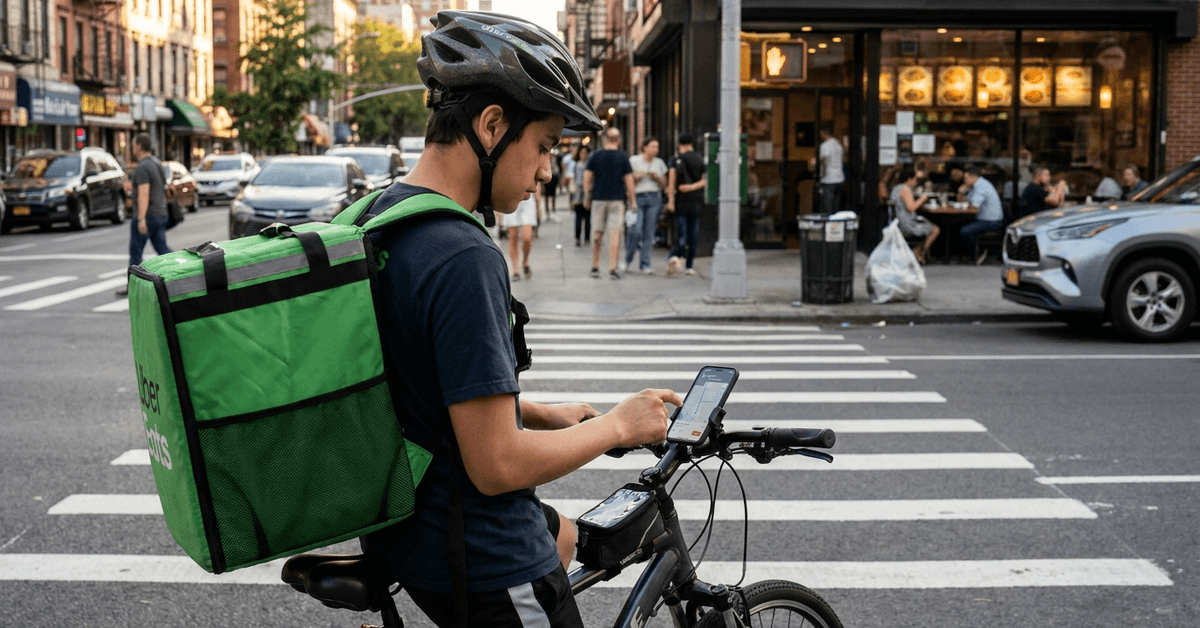
You can often use a bicycle, scooter, or car. Each option offers pros and cons; for urban centers, a bike or electric scooter may help you skip traffic, though weather can make things tough. With a car, deliveries may be longer, but you’re sheltered from rain or cold.
Downloading and Setting Up the App
The Uber Driver app serves as your main hub. Once your documents are approved and your profile is active, you can log in and begin to accept orders.
Some find the interface easy, others experience a learning curve, especially when juggling maps and notifications while on the move.
Picking Up Your Welcome Kit
Uber Eats sometimes provides insulated delivery bags and branded gear.
Pickup options or shipping vary by location, and using these items can make you appear more professional to customers—even if nobody says it outright, the difference can be felt in your ratings or tips, at least sometimes.
Still, you don’t always have to use branded equipment; local rules may apply.
Understanding How Uber Eats Delivery Actually Works
From the outside, delivering may look like a simple matter of picking up food and dropping it off. But real-world delivery involves navigating traffic, communicating with restaurants and customers, and, sometimes, problem-solving on the fly.
Receiving and Accepting Orders
Incoming requests appear in the app. You’ll see the pickup location, destination, pay estimate, and sometimes extra info such as distance or potential surge pricing. You can choose to accept or ignore offers, though declining too many can impact your workflow—for reasons that may not always feel clear.
Picking Up Orders at Restaurants
Some pickups go smoothly, but delays happen. Certain fast food chains prioritize couriers, while smaller spots may keep you waiting. Experience helps anticipate which spots are efficient—or not. Communication with restaurant staff varies, and occasionally you might need to clarify which order you’re collecting.
Making the Delivery
Directions are provided, but last-mile navigation can be confusing, especially if building entrances aren't labeled. Sometimes customers meet you outside; other times, you may need to buzz in or leave orders at the door.
In rare cases, issues such as unreachable clients or incorrect addresses require contacting support—a process that could be smooth, or a bit drawn out.
Maximizing Your Earnings as an Uber Eats Courier
Optimizing income isn’t just about working more hours. Efficiency—and subtle understanding of your local market—can make a noticeable difference.
Timing Your Shifts
Lunchtimes, weekend evenings, and rainy days tend to see surges in both demand and pay. Yet, occasional downturns could surprise you even during so-called busy hours. It may be worth tracking your own patterns, since trends can shift from week to week.
Accepting Batches and Quest Bonuses
Uber Eats sometimes offers batch deliveries or quest bonuses—incentives for completing a set number of trips in a certain window. While tempting, these offers don’t always line up with your most efficient routes, so weighing your options is wise.
Focusing on Tips and Ratings
Politeness, timely updates, and keeping orders intact help boost your ratings, which may, in turn, lead to higher tips. Still, there’s no perfect formula, and even diligent drivers find tips occasionally unpredictable.
Tracking Expenses
Little costs add up, especially for car or scooter couriers—think fuel, maintenance, or insurance. Recording these expenses is useful, not just for tax reasons but for understanding your real hourly rate.
Legal, Safety, and Tax Considerations
While the flexibility and autonomy are attractive, a few legal and safety factors deserve attention. Requirements aren’t always consistent worldwide, and misunderstandings can cause real headaches later on.
Insurance Requirements
In most locations, you’ll need valid personal insurance for your vehicle—and sometimes specific courier insurance. Without it, liability after an accident could rest on your shoulders, so double-check what your policy covers before starting.
Understanding Local Laws
Some regions require gig workers to register as self-employed or declare freelance income. These rules can be confusing, so browsing official government guidance for your area is worthwhile—sometimes a quick visit to a government FAQ clears up most common questions.
Staying Safe on the Job
It’s easy to underestimate the physical effort required, especially on high-traffic routes. Investing in sturdy gear, reflective clothing, and a reliable phone mount can help. Remaining alert—especially after dark or in stormy weather—simply can’t be overemphasized, though it’s sometimes tempting to cut corners for speed.
Useful Tools and Resources for Couriers
Plenty of third-party apps and community forums offer practical support, but quality varies. It may help to connect with local social media groups or online platforms where couriers share tips and updates about their cities.
Route Planning Tools
Apps such as Google Maps or Waze might streamline your navigation, reducing downtime between orders. Experimenting with route options can sometimes shave minutes off each trip, which adds up over the course of a shift.
Courier Communities
Online forums (for example, Reddit's r/UberEATS or dedicated Facebook groups) help couriers swap advice, warn about local hazards, and discuss payment trends. These spaces can be a lifeline when policies change or unexpected events throw a wrench in your plans.