

Paying just £1 for a Co-op Membership Card opens up access to unique prices, exclusive deals, and the feeling of supporting a community-focused retailer.
For those curious about everyday savings, reasonable joining costs, and whether the membership really pays off, this article provides a thoughtful overview.



Anyone who regularly shops at Co-op, or cares about local reinvestment, may find value in this membership.
People looking for easy ways to trim grocery spending, enjoy occasional perks, or support ethical retail practices are also the main readers here.
If better prices at checkout sound appealing—or simply understanding how retail loyalty programs work—reading further should help clarify the key benefits and possible drawbacks.
What Is the Co-op Membership Card?
The Co-op Membership Card is a loyalty scheme run by the Co-op Group in the UK. For a small one-off payment of £1, customers gain access to discounted member prices, personalized coupons, and the ability to influence Co-op community projects.
Unlike some supermarket loyalty schemes that focus mostly on accumulating points for future rewards, Co-op puts a strong emphasis on real-time savings and social contribution.
Key Benefits of Co-op Membership
There are several attractive aspects to consider. From immediate price reductions to longer-term community impact, members find diverse reasons to join:
1. Member-Only Prices
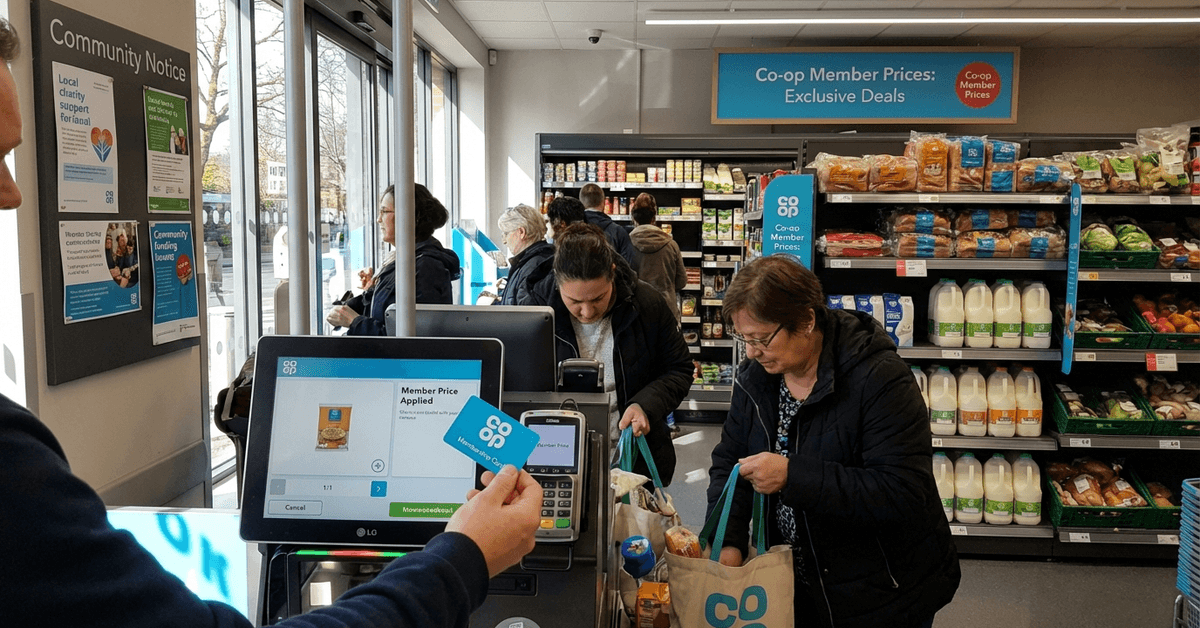
The card unlocks access to products tagged with special member pricing. For example, staples like milk, bread, and fruits often feature discounts unavailable to non-members.
These offers are frequently updated, encouraging members to regularly check in-store or via the Co-op app. There is no minimum spend required to access these deals.
2. Earn Rewards on Shopping
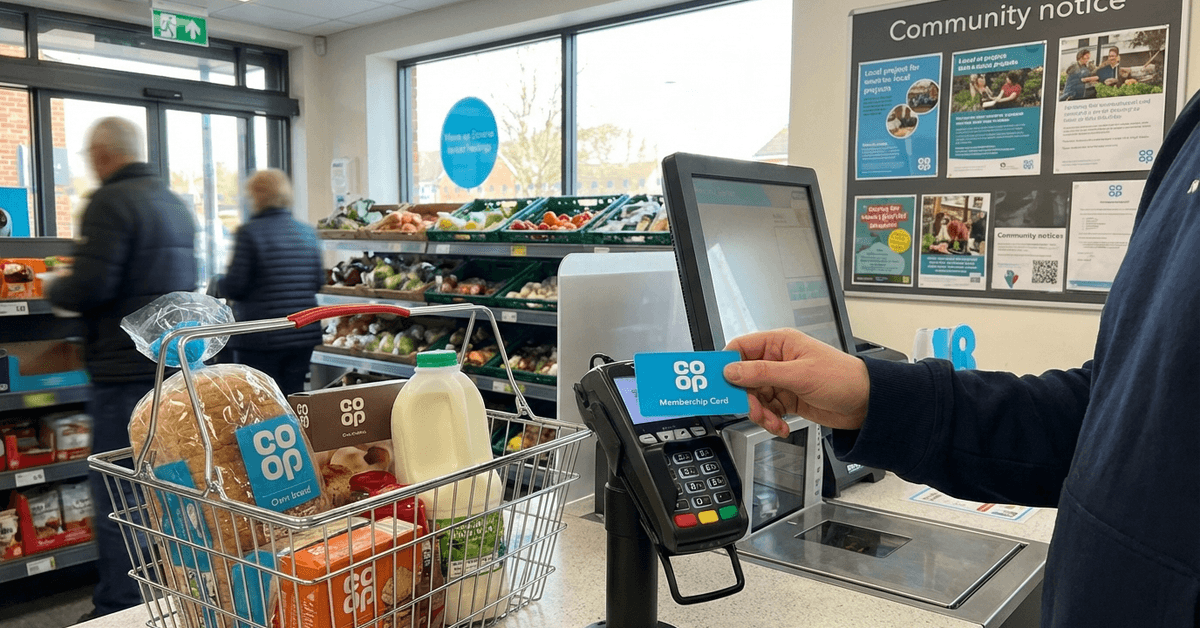
Whenever a member presents their card at checkout, a percentage of spending (typically 2p for every £1 spent on Co-op branded products) is returned as a reward.
This can be used for future purchases or donated to local causes. This reward balance is visible both on receipts and online accounts.
3. Support for Local Causes
Co-op is well-known for its commitment to social responsibility. A portion of each transaction is allocated to support chosen community organizations and projects.
Members can help select which local causes receive funding, creating a sense of shared impact beyond the shopping experience.
4. Occasional Personalized Coupons
From time to time, Co-op sends customized vouchers—including discounts on favorites or ‘double rewards’—to keep shoppers engaged and recognized. These may appear in the post, app, or email.
The frequency and value can vary, but some members find them helpful for stocking up on essentials at lower prices.
Other modest perks occasionally arise, such as early booking access for Co-op events, or partner offers in travel and insurance.
While these extras aren’t guaranteed, they do pop up from time to time and may offer practical value for some households.
How the £1 Joining Fee Works?
The cost of joining the Co-op Membership is a one-off payment of £1. After that, members are not charged annual or monthly fees.
This low barrier to entry appeals to many who are cautious about signing up for ongoing subscriptions or feel overwhelmed by the terms of other loyalty programs.
While some may initially hesitate, the affordability makes it relatively risk-free to try out—especially if you shop at Co-op even occasionally.
Unlike some retailers, the £1 joining fee goes partly towards a share in the Co-op. Technically, you become part-owner, with a small say in certain company decisions.
However, it's not a typical investment: there are no dividends or share sales here, just the right to influence some votes if you choose to engage.
Where to Use Your Co-op Membership Card?
The card is accepted in most UK Co-op Food stores, and some affiliated businesses within The Co-operative Group.
This includes regular convenience stores, larger food markets, and select Co-op Funeralcare or travel branches.
However, independent societies under the wider Co-op umbrella may not accept the card, leading to occasional confusion.
Digital shoppers can also connect their card to a Co-op online account or app, ensuring all eligible member pricing and rewards are automatically applied during online or app-based purchases.
Comparing Co-op Membership with Other Supermarket Loyalty Schemes
The UK supermarket sector is crowded with loyalty cards and club memberships—Tesco Clubcard, Sainsbury’s Nectar, Morrisons More, Lidl Plus, and several others. So how does the Co-op Membership Card compare?
| Scheme | Joining Fee | Member Prices | Rewards/Earnings | Community Focus |
|---|---|---|---|---|
| Co-op Membership | £1 (once) | Yes | 2% on Co-op Brands | Strong |
| Tesco Clubcard | Free | Yes | Points (convertible) | Low |
| Sainsbury’s Nectar | Free | Few Offers | Points (convertible) | Low |
| Lidl Plus | Free | Weekly Deals | Discount Coupons | None |
This table suggests Co-op is unique in charging a small joining fee, but balances that with strong community support and direct ownership features.
Competitors generally do not require payment, yet community involvement is rarely a core part of the proposition.
Are Member Prices Actually Cheaper?
While Co-op member prices can be compelling, some shoppers report mixed experiences. On a typical week, certain in-demand items—especially private label groceries—are discounted only for members.
However, overall savings depend on product choice and timing. For those already loyal to Co-op, the card simply amplifies value.
Occasional shoppers might notice savings on just a few items, which raises questions about whether the card’s benefits are as noticeable as hoped.
It might be helpful to compare receipts over several months to determine the real-world impact. Perhaps, some weeks, the discounts won’t stand out, but at other times they practically cover the joining fee in one or two shops. It varies, and that unpredictability is part of the deal.
Potential Drawbacks and Limitations
No scheme is perfect, including this one. A few things are worth considering before signing up or expecting ongoing windfalls:
- Some independent Co-op shops do not accept the card
- Member-only deals often target Co-op branded products—other brands may not be included
- Occasional changes in reward or offer structure
- The program is less useful if you rarely shop at Co-op stores
Also, while the Co-op app is generally helpful, some users mention glitches with digital coupons or reward tracking. Customer support is available, but resolving issues may take time.
Who Stands to Benefit Most?
This membership best suits loyal shoppers who buy Co-op brands, value social responsibility, or want a say in how community money is spent.
Perhaps someone living near a Co-op, or a person keen to reduce grocery bills without chasing points schemes, will see more value here.
It’s really not for bargain chasers who shop everywhere, or for those seeking high cashback rates.
Legal and Data Considerations
When signing up, members provide basic information—name, address, and email. Co-op applies standard data protection protocols and describes clearly how personal information will be used.
Shoppers can also opt out of marketing and still retain member prices, which lowers privacy concerns for those wary of sharing too much data.
Terms and conditions, as well as full privacy policy details, are available on the co-operative.coop website.
Legally, holders are classed as ‘members’ of the Co-op Group, not typical shareholders. This means voting on certain internal matters (if you wish), but, crucially, it does not create investment risk or lead to financial obligations beyond the £1 fee. That reassurance makes the offering relatively clear-cut.
How to Get a Co-op Membership Card?
While this isn’t meant to be a step-by-step guide, the process is generally straightforward.
Individuals can sign up in person at most participating Co-op stores or register online by following instructions from the official Co-op Group website.
The card is supplied either immediately or sent by post. For convenience, membership can also be linked to the Co-op mobile app, allowing digital scanning in-store.
Common FAQs on Co-op Membership
Is the £1 fee refundable if I change my mind?
In most cases, the fee is non-refundable. However, some situations—such as duplicate sign-ups—may be considered at the discretion of customer service.
Does the card expire?
Membership does not expire, but unused accounts may be made inactive after a certain period. Member rewards remain available as long as the account is active and in regular use.
Can I use my card outside the UK?
Generally, membership benefits apply only in participating UK Co-op stores and online. Overseas branches, if any exist, may not participate.
Tips for Getting the Most from Your Co-op Membership
- Use the card regularly on Co-op branded products.
- Check member-only prices and coupons before shopping.
- Track your rewards balance in the app or on receipts.
- Compare your savings over a few visits to judge the real value.
Final Thoughts
The Co-op Membership Card can be worthwhile for shoppers who visit Co-op often and buy its own-brand products.
Its low £1 joining fee makes it easy to try, while member pricing and rewards can add up over time. The strongest value comes when you actively use the offers, coupons, and community-linked benefits.
For regular Co-op shoppers, it can be a simple way to save a little more while supporting local causes.