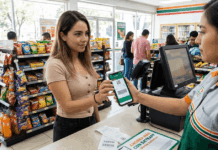

Modern banking is rapidly moving online, and digital banks make it possible to open an account without paperwork.
No long queues, no confusing forms—just a device and an internet connection. People seeking faster solutions or wanting to avoid traditional bank hassles might find these options especially useful.

This article explores the best digital banks that offer a fully online, hassle-free sign-up process. If you’re someone interested in convenience, speed, and minimum bureaucracy, you’ll discover real advantages here.
For remote workers, students, travelers, or anyone who values flexibility, learning about these banks can be especially helpful.
Why Choose Digital Banks With Online Account Opening?
There’s a growing movement toward digitization in finance. Although traditional banks still hold value, digital-first options are leading in innovation. The no-paperwork account process is a signature benefit, but there’s more to explore.

Simplified Applications
Many digital banks only require a smartphone or desktop. Users might upload a photo of an ID and take a selfie—with no forms or in-person appointments.
Sometimes, you’re approved in minutes. Of course, regulatory checks still exist but are handled digitally.
Time and Cost Savings
Opening a traditional account can eat up hours or days. With digital banks, the process is significantly faster; fees can be lower too. There are usually no need for postage, physical signatures, or printing documents.

Wider Accessibility
People living abroad or in rural areas are no longer restricted by physical bank branches. Digital banks can serve almost anyone with an internet connection, perhaps allowing broader financial inclusion. Yet, this can depend on local regulations.
Environmental Benefits
Less paperwork means fewer trees cut for printing. While this isn’t the main draw for everyone, some users do care about a greener banking experience with less waste.
What to Look for in a Top Digital Bank
There’s no perfect bank for everyone, and preferences vary. Some features often set the best digital banks apart from the rest, so comparing what matters most might be wise.
Instant Account Opening
The option to open an account instantly online —without any paperwork—should be a priority. Extra steps or paperwork requirements can defeat the purpose.
User-Friendly Mobile Apps
A smooth app interface is crucial, considering users manage most tasks on mobile. If a bank’s app feels laggy or clunky, switching to another option can seem inevitable.
Full Range of Banking Services
While some digital banks provide only basic services, better options cover transfers, savings, cards, and sometimes even loans or investments. A bank with broader features might be more practical in the long run.
Transparency & Low Fees
Transparent fee structures and competitive rates are crucial. Hidden charges can spoil the experience, so check the terms before signing up. Not every digital bank is free, but the cost is usually clear up front.
Safety and Regulation
Customer money needs security. Check if the digital bank is regulated by a reputable authority and if deposits are protected—either through insurance schemes or guarantees. Being cautious pays here.
Best Digital Banks With Online Account Opening – No Paperwork Needed
While the digital banking landscape changes frequently, several standout names continue leading the market. Here are some top examples, each offering a streamlined, paperwork-free application process.
N26
Based in Europe, N26 is renowned for its fully digital onboarding. Users simply download the app, verify their identity with a government ID and selfie, and then the account can be opened in as little as 10 minutes.
N26 provides fee-free accounts, global payments, spending analytics, and modern card controls. However, availability varies by country.
Revolut
Revolut’s online sign-up is quick—just a few taps, plus uploading an ID. The appeal is in the wide range of services, from free accounts to premium tiers, as well as budgeting and exchange tools. While not everywhere, Revolut is expanding steadily.
Monzo
UK customers might recognize Monzo for its instant account setup. Users download the app, scan their ID, and the process typically finishes in under 15 minutes.
Features include smart budgeting, spending insights, fee-free ATM withdrawals (within limits), and a straightforward mobile experience.
Chime
For US customers, Chime is a leading option. Account setup takes minutes, requiring just an SSN and a phone.
There are no monthly fees, overdraft charges, or hidden penalties. Direct deposit, fee-free ATMs, and savings tools set it apart—even though some may miss the presence of physical branches.
Wise (formerly TransferWise)
While primarily known for cross-border payments, Wise’s multi-currency account can be opened entirely online.
Photo ID and address verification are key, and users receive account details in several currencies. The bank promises transparency and very low remittance costs.
Starling Bank
Starling is another UK-born challenger bank that makes account opening frictionless. After verifying identity using its app, customers gain access to a fully functional current account, budgeting features, and powerful travel tools. Not available in every country though.
Key Steps to Opening an Account With a Digital Bank
If you’ve never tried the digital account opening process, the steps feel quite straightforward. Still, being prepared can help things move smoothly. The process rarely varies much, but small differences may exist between banks.
- Download the app or visit the bank’s website
- Create a user profile (often with email and phone verification)
- Submit ID verification—usually a passport or local ID card, plus a selfie
- Wait for instant or near-instant approval
- Add funds or link an external account to start using services
Some banks may ask for extra details, especially for higher limits or premium accounts. Rarely, manual review means a short wait, but most users report approval within minutes or at least the same day.
Pros and Cons of Digital-Only Bank Accounts
There are clear benefits, but also potential downsides to consider. No choice is without trade-offs. Choosing digital is about assessing your priorities and comfort level.
Pros
- No paperwork or branch visits required
- Quick and easy setup, often in under 15 minutes
- Transparent fee structures, sometimes free
- Modern features like budgeting and global payments
- Good accessibility for travelers and expatriates
Cons
- No access to physical branches or in-person service
- May require strong internet and smartphone access
- Sometimes limited to certain countries or regions
- Customer support may rely on chat or email rather than phone calls
- Some prefer traditional banks for perceived security—this depends on regulation and personal comfort
Security and Data Privacy in Digital Banking
Safety is among the top concerns for many users. Digital banks take security seriously, implementing measures like two-factor authentication, biometric access, and advanced encryption.
Regulatory oversight means funds are generally safe, but it’s smart to read about the specific protections in your jurisdiction.
If you have concerns about sharing personal data online, reviewing the bank’s privacy policy can provide clarity.
Tips if You Want to Open a Digital Bank Account
A few tips can make the sign-up process smoother, even if everything already feels intuitive. Not all advice will apply equally, but perhaps something here is useful.
- Have your government ID ready before starting the process
- Check that your smartphone camera is working for ID/selfie verification
- Ensure a stable internet connection to avoid interruptions
- Read user reviews to gauge app reliability and support quality
- Review fee schedules and limits before depositing large sums
It might be tempting to open multiple accounts to access all the features, but managing several apps can become confusing. Sometimes less is more here.
Frequently Asked Questions About Digital Bank Account Opening
Can anyone open a digital bank account?
Most adults can, though eligibility depends on residency, age, and documentation. Some banks require local addresses or citizenship. Check requirements per provider.
Is online verification safe?
Reputable banks use encrypted systems and secure servers for document uploads. Still, sharing private data online carries some risk, so using strong passwords and trusted apps is wise.
Will I receive a debit or credit card?
Most digital banks send a physical or virtual card for spending and cash withdrawals. Speed of delivery may vary by territory and postal availability.
Are digital banks as safe as traditional ones?
This depends on regulation. Many digital banks have government deposit protection or insurance—though some users still prefer the familiarity of brick-and-mortar banks.
What if I need support?
Support channels usually include chat and email, with some offering phone options. Response times vary. Some users say chatbots require patience, but live help is becoming more common.
Final Thoughts on Digital Banks
Digital banks can make account opening faster, simpler, and more convenient for people who want to avoid paperwork and branch visits.
Their strongest value comes from quick onboarding, mobile tools, transparent fees, and easy access for travelers, students, and remote workers.
Users should still review security protections, eligibility rules, service limits, and customer support quality before choosing a provider. With careful comparison, a digital bank can support flexible everyday banking with less hassle.