
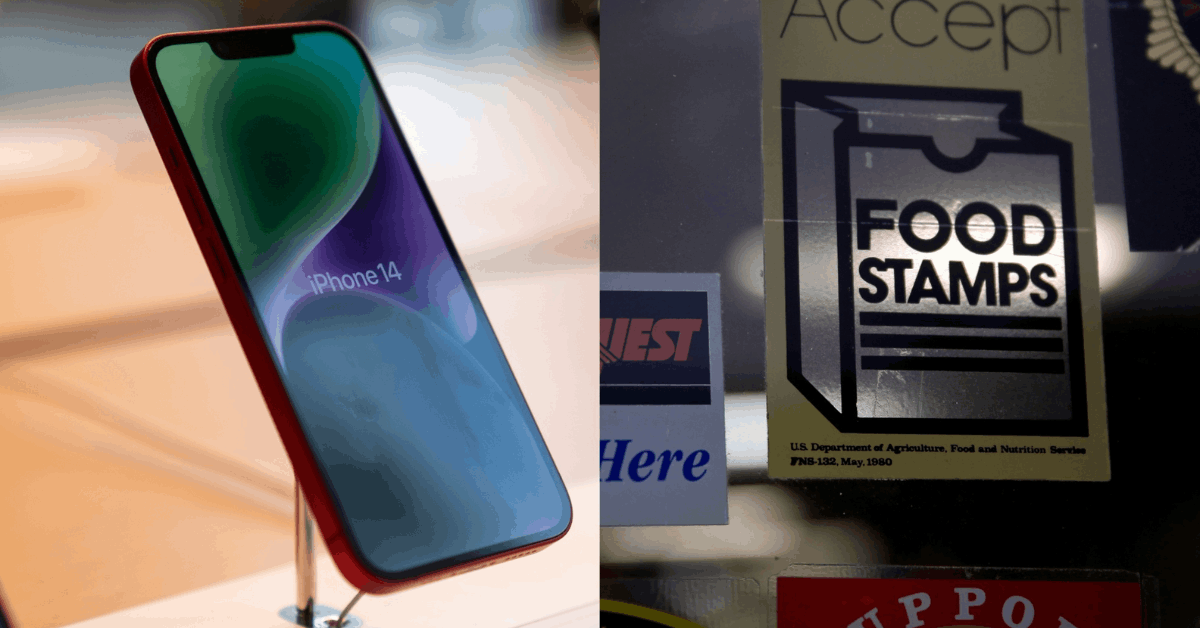
Access to reliable communication isn’t just convenient—it’s essential. For those relying on government support, the challenge is even greater. Thankfully, certain programs now offer free phones for food stamps recipients .
This article explains how eligible individuals can benefit. Whether assistance is temporary or ongoing, understanding these opportunities makes a real difference. This guide suits anyone curious about affordable connectivity resources in the U.S.


Millions depend on SNAP benefits , commonly called food stamps. Yet, many don’t realize that being enrolled opens doors to vital service plans and devices. Here, you’ll find clear steps and tips to maximize these overlooked advantages.
Understanding the Free Phone Programs for Food Stamps Users
The United States government sponsors initiatives that help ensure connectivity for all. Two federal programs— Lifeline and the Affordable Connectivity Program (ACP) —address this need. Both focus on reducing barriers for those receiving public assistance.
Lifeline is the longstanding option. It supports monthly phone and internet bills for low-income households, often including a device. ACP, a newer resource, furthers these savings. Combining programs sometimes increases overall benefits for those who qualify.
Why Eligibility for Food Stamps Qualifies You for a Free Phone
Participation in SNAP (Supplemental Nutrition Assistance Program) acts as proof of financial need. Most Lifeline and ACP providers consider SNAP enrollment as direct evidence for qualification. This simplifies the sign-up process considerably.
By connecting food stamps recipients with phone service providers, these federal efforts work to bridge the digital divide. The only requirement is accurate documentation of benefit status when applying for these services.
How the Lifeline Assistance Program Works
Lifeline has existed since 1985. It offers a discount each month—typically up to $9.25—on phone or internet bills. For qualifying households, some companies provide a free smartphone upon enrollment.
You can only access one Lifeline benefit per household, whether it’s for a phone or internet plan. The device and service are designed for essential uses like job hunting, medical care, or education.
Major Lifeline Carriers
National wireless providers participate in Lifeline. Some well-known companies include Assurance Wireless, Safelink Wireless, and Q Link Wireless. Coverage differs by state, so it’s worth comparing carriers.
Look for plans with unlimited texts, talk minutes, and a basic data allowance. Some companies offer upgrade options or special features for modest fees.
Affordable Connectivity Program: What It Adds to Lifeline
The ACP was introduced to address broadband gaps worsened by the pandemic. Its benefits combine with Lifeline for deeper discounts. Eligible households may get up to $30 each month toward internet costs—or $75 in tribal lands.
Unlike Lifeline, ACP can cover both phone and home internet. With SNAP participation, qualifying is straightforward. The ACP also sometimes provides free or subsidized phones or tablets, though specifics vary by provider.
The Step-by-Step Process to Apply for a Free Phone with Food Stamps
Applying generally involves these steps: confirming SNAP eligibility, selecting a provider, and submitting documentation. It’s surprisingly manageable and can often be done online. Some providers even allow in-person verification at local stores.
1. Gather Your Documents
To start, you’ll need proof of SNAP enrollment (such as a benefits letter or EBT card), a government-issued ID, and proof of address. Providing accurate paperwork speeds up approval.
2. Choose an Approved Carrier
Research which providers are available in your zip code. Each has slightly different plan features, so comparing them helps tailor the benefit.
3. Apply Online or In Person
Most companies feature an online application process. Some states require you to apply via the Universal Service Administrative Company (USAC), which manages Lifeline.
4. Receive Approval and Your Device
Once approved, providers ship a device to your home, or you may pick it up at a participating store. Activation instructions are typically straightforward.
Common Features and Limitations of Free Phone Programs
Generally, you’ll receive a basic Android device with entry-level specifications. Service plans often include unlimited texts, a set number of voice minutes, and several gigabytes of data.
Notably, handsets are intended primarily for essential communication. Data and device upgrades may be available but aren’t always included. The phone is often locked for a period, meaning it can only be used with the assigned carrier.
One notable aspect: these programs typically serve a single lifeline benefit per household—not per person. Recertification each year is essential to maintain eligibility.
Staying Eligible and What Can Cause Benefits to End
To avoid losing service, recipients must recertify eligibility annually. Any improvement in financial status, or loss of SNAP benefits, could result in disqualification. Not responding to recertification requests may also result in discontinuation of the benefit.
If a provider switches or ceases to offer service in your area, switching to another is possible with the right steps. This saves frustration and prevents unnecessary communications disruptions.
Other Ways SNAP Recipients Can Save on Connectivity
Beyond Lifeline and ACP, some states or nonprofit programs assist with phone bills or devices. Libraries and community tech initiatives also sometimes loan devices to those with documented need.
It can be worthwhile to check the FCC Lifeline Consumer page or local human services offices for updates. Policies sometimes evolve, creating new opportunities or rules.
Powerful Conclusion: Secure Your Essential Connection on a Limited Budget
Staying connected is a basic need, especially for families relying on support programs. With help from Lifeline and ACP, free phones for food stamps recipients are not only possible—they’re accessible to those who meet simple criteria.
It’s not always easy to navigate benefit programs. Yet, with accurate information and proper documentation, these resources change lives. Reliable communication can unlock educational, professional, and healthcare opportunities that might otherwise be out of reach.
If you or someone you know receives SNAP benefits, exploring these phone assistance options is worthwhile. Even a modest phone and basic service plan can offer security, access, and hope during challenging times.