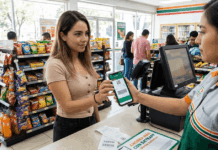

Finding a quick online loan in Brazil has become easier as banks, fintechs, digital wallets, and credit marketplaces move more of the borrowing process into mobile apps.
Unexpected bills, debt consolidation, emergency repairs, or temporary cash-flow problems are common reasons consumers explore these options.



Brazil now has a broad digital-credit market that includes brands such as Nubank, PicPay, Mercado Pago, Banco PAN, C6 Bank, Itaú, and comparison platforms such as Serasa Crédito.
This guide explains how online loans work, what affects approval, and which costs and risks deserve attention before accepting an offer.
What Is a Quick Online Loan in Brazil?
An online quick loan is a credit product that can be requested mainly through a website or mobile application. Depending on the lender, customers may be able to complete the simulation, credit analysis, identity verification, contract signing, and disbursement digitally.
Unlike a traditional branch-based application, digital lenders often rely on automated information checks and existing customer data. However, quick processing should not be confused with guaranteed approval, since lenders continue to evaluate creditworthiness and eligibility.
Well-known providers operate with different models. Nubank offers personal loans through its official app, PicPay provides different lending products to eligible users, Mercado Pago offers credit options within its ecosystem, while Banco PAN, C6 Bank, and Itaú also maintain online personal-credit products.
Why Online Loans Have Become Popular in Brazil
Digital banking is deeply integrated into everyday financial activity in Brazil, making app-based borrowing familiar to many consumers. The possibility of receiving funds directly into an account and managing repayments digitally makes online personal credit especially convenient.
Faster Digital Applications
A major attraction is the ability to start a loan application without visiting a branch. Existing customers of digital banks may already have identity, account, and financial information registered with the institution.
Some lenders advertise rapid analysis or immediate disbursement after contracting, although actual availability varies by customer. For example, PAN describes its personal loan as fully digital and subject to credit analysis, while Itaú and C6 Bank also provide digital personal-loan options.
Multiple Competitors and Credit Models
Brazilian consumers are not limited to traditional banks when searching for personal loans online. Digital banks, fintechs, marketplaces, payment platforms, and established banking groups compete for borrowers.
Nubank, PicPay, Mercado Pago, Banco PAN, C6 Bank, Itaú, and CAIXA are examples of recognizable institutions offering or facilitating different forms of personal credit. Serasa Crédito operates differently by connecting consumers with available credit offers from partner institutions instead of functioning simply as one direct lender.
Less Physical Paperwork
Online lending can reduce the need for printed documents, physical signatures, and repeated branch visits. Applications may use CPF information, digital identification, income data, banking history, and other information authorized by the applicant.
The exact documentation depends on the institution and type of credit. Existing customers may experience a shorter process because some information is already available within the bank or fintech ecosystem.

Main Types of Fast Credit Available Online
Brazil has several lending categories that may appear when consumers search for rapid access to funds. Understanding their differences is important because repayment methods, rates, guarantees, and eligibility can vary significantly.
Personal Loans
A personal loan, or empréstimo pessoal, generally provides a fixed amount that is repaid in monthly installments. The money is usually available for general use rather than being tied to a specific purchase.
Nubank, PicPay, Mercado Pago, Banco PAN, C6 Bank, Itaú, and CAIXA all have digital or partially digital personal-credit offerings, although availability may depend on each customer’s profile.
Payroll-Deducted Loans
Payroll loans, known as empréstimos consignados, deduct installments directly from salary or an eligible government benefit. They are common among INSS retirees and pensioners, public-sector employees, and increasingly certain private-sector workers.
Because repayment is linked to income, these loans may have different pricing from unsecured personal credit. The Banco Central publishes separate interest-rate information for different credit categories, including payroll-deducted loans.
FGTS-Backed Credit
Some lenders also offer loans connected to the FGTS birthday withdrawal, or saque-aniversário. In this structure, future eligible FGTS withdrawals may serve as the repayment source.
This type of credit works differently from an ordinary personal loan because part of the worker’s FGTS balance is committed. Consumers considering it should understand how using the balance can affect future access to those funds.
Secured Loans
Some Brazilian institutions offer credit secured by assets such as property or vehicles. These arrangements may provide different rates or larger limits because the lender has collateral.
The tradeoff is significant: failure to meet repayment obligations can put the pledged asset at risk. For that reason, secured credit deserves a different level of consideration from a small unsecured loan.
Online Loan Providers Consumers May Encounter in Brazil
Competition in Brazil’s digital lending sector is broad. Offers vary significantly, so brand recognition alone should not replace a comparison of CET, interest rate, repayment term, and total amount payable.
| Provider | Type of Credit Presence | Digital Access | What to Compare |
|---|---|---|---|
| Nubank | Personal loans and other credit products | Primarily through app | Personalized rate, term, CET |
| PicPay | Personal loans and other lending products | App-based | Available offers, installments, CET |
| Mercado Pago | Personal and ecosystem-based credit | App/online | Eligibility, repayment structure, cost |
| Banco PAN | Personal and payroll loans | Digital/app | Rates, term, total repayment |
| C6 Bank | Personal, payroll and secured credit options | Digital/app | Product type, CET, collateral |
| Itaú | Personal loans and multiple credit lines | App/online/branches | Rate, term, insurance, CET |
| CAIXA | Personal and other credit products | App/Internet Banking | Eligibility and available limits |
| Serasa Crédito | Credit marketplace/comparison | Website/app | Compare partner offers side by side |
These brands do not necessarily provide identical products to every customer. Nubank states that its personal-loan contracting takes place through its official application, while PicPay, PAN, C6 Bank, Itaú, and Mercado Pago similarly make digital credit functionality available subject to their own conditions.
Serasa Crédito can be useful for a different reason: it allows eligible users to view and compare credit offers from partner institutions in one environment.
Step-by-Step: How Quick Online Loans Usually Work
The digital borrowing process can differ between lenders, but most applications follow a similar sequence. Understanding these stages can make it easier to compare approval speed and loan conditions rather than focusing only on advertising claims.
1. Loan Simulation
The borrower usually chooses an amount and repayment period to see an estimated installment. Some platforms only display options that are already available to that particular account or CPF.
A simulation is not necessarily a final loan offer. The rate and conditions shown should be checked again before the contract is signed.
2. Credit and Profile Analysis
The lender evaluates information such as income, existing debts, credit history, account activity, and internal risk criteria. Different institutions use different scoring models.
This is why one consumer may receive an offer from Nubank but not PicPay, or see different terms from PAN, Itaú, C6 Bank, or Mercado Pago. A rejection from one lender does not automatically predict the decision of every other provider.
3. Identity Verification
Applicants may need to confirm their CPF, personal details, phone number, and identity. Some platforms use facial recognition, document scanning, biometric authentication, or verification inside the banking application.
These security steps are particularly important because online-loan scams frequently imitate legitimate financial institutions. Using the official app or website lowers the risk of entering personal information into a fraudulent page.
4. Review of the Credit Offer
If credit is available, the lender typically presents the loan amount, monthly payment, term, interest rate, taxes, and Custo Efetivo Total (CET). These details should be reviewed before electronic acceptance.
The CET is especially useful because it provides a broader measure of the cost of borrowing. The Banco Central also publishes interest-rate information that allows consumers to compare rates practiced by financial institutions across credit categories.
5. Digital Contract
Once the conditions are accepted, the agreement may be signed electronically. Authentication can take place within the app, through a password, biometric verification, or another security method.
The contract should remain accessible after the transaction. Keeping a copy makes it easier to verify repayment dates and the total financial obligation.
6. Disbursement
Approved funds are normally deposited into a bank or digital-account balance. Some providers advertise funds becoming available rapidly after contracting, but exact timing depends on the product and borrower.
PIX has also made money movement extremely fast once funds are available in an account. This does not mean, however, that every loan application receives an instant credit decision.
What Can Affect Online Loan Approval?
There is no universal approval formula across Brazilian lenders. Each institution can apply its own risk policies within the applicable regulatory framework.
Credit Score and Payment History
Credit history can influence an offer, particularly for unsecured personal loans. Missed payments, high debt levels, or recent defaults may affect the probability of approval or the conditions offered.
Platforms such as Serasa also maintain credit-related services that consumers often encounter when comparing offers. However, a credit score is only one potential component of a lender’s decision.
Income and Ability to Repay
Lenders generally need enough information to estimate whether the borrower can handle the proposed installment. Formal employees may have salary information, while self-employed workers may need to demonstrate income through other records.
A higher income does not guarantee approval. Existing monthly obligations can matter just as much as earnings.
Existing Relationship With the Institution
A lender that already receives salary deposits or observes regular account activity may have more information available for its analysis. This helps explain why pre-approved credit frequently appears directly inside banking apps.
Nubank, PicPay, Mercado Pago, Itaú, PAN, and C6 Bank all operate ecosystems in which existing customer information may influence which credit options appear. Availability remains individualized and subject to analysis.
Costs to Compare Before Accepting Fast Credit
The speed of receiving money should not be the only factor when comparing loans. Interest rates, CET, taxes, repayment term, and total repayment can have a much greater financial impact.
Interest Rate
Interest represents the basic price charged for borrowing. Rates can vary considerably between institutions and between customers at the same institution.
The Banco Central maintains tables showing average rates practiced by financial institutions for different loan categories. This makes it possible to compare an individual offer against the broader market.
CET — Total Effective Cost
In Brazil, borrowers frequently encounter the abbreviation CET, or Custo Efetivo Total. It provides a more complete view of the cost associated with the credit transaction.
A loan with a slightly lower advertised interest rate is not automatically cheaper if other charges increase the CET. Comparing this percentage between equivalent offers can therefore be more informative.
IOF and Other Charges
Credit operations can include applicable taxes such as IOF, depending on the product and current rules. Other costs may also appear depending on the structure of the agreement.
The final contract should disclose relevant costs. Consumers should avoid evaluating a loan solely from the amount of the monthly installment.
Repayment Period
Longer repayment terms generally reduce the monthly installment while potentially increasing the amount of interest paid over time. Shorter terms can lower total interest but produce larger monthly payments.
Comparing both the monthly payment and total repayment provides a clearer picture of affordability.
What About Loans for People With Negative Credit?
Searches for “loan for negative credit”, empréstimo para negativado, and similar terms are common in Brazil. Some platforms and lenders may still display offers for borrowers with negative credit records, but conditions can be more restrictive.
Serasa Crédito, for example, maintains a specific loan-comparison area aimed at consumers searching for credit while negatively listed. Its platform indicates that available offers depend on analysis and the applicant’s profile.
Consumers should be particularly skeptical of websites promising “guaranteed approval,” “loan without analysis,” or large amounts regardless of credit history. A legitimate lender may consider applicants with weaker credit profiles, but this is different from guaranteeing approval.
Main Risks of Quick Online Loans
Fast credit can solve a short-term liquidity problem while creating a longer-term repayment obligation. Understanding the tradeoffs is especially important when borrowing under financial pressure.
High Borrowing Costs
Some unsecured personal-credit products can carry substantial interest rates. The difference between providers can be large, which makes comparison particularly important.
Checking offers from established banks such as Itaú and CAIXA alongside digital providers such as Nubank, PicPay, Mercado Pago, PAN, and C6 Bank can provide a broader view of available conditions. The Banco Central’s rate database can also serve as an independent reference point.
Debt Accumulation
A second loan may temporarily resolve an immediate payment while adding another monthly obligation. Repeated borrowing to cover previous installments can quickly make a budget harder to manage.
Debt consolidation can sometimes be useful when a lower-cost loan replaces more expensive debt, but it should be evaluated using total costs rather than installment size alone.
Loan Scams
Fraudulent lenders often advertise unusually easy approval and then request money in advance. Legitimate institutions should be verified before personal information or funds are provided.
The Banco Central provides an official tool where consumers can check whether a financial institution is authorized, regulated, or supervised by the BC.
How to Compare Reliable Online Lenders
A useful comparison goes beyond asking which company releases money fastest. Cost, regulation, repayment flexibility, and contractual transparency deserve equal attention.
Compare Several Recognized Providers
Consumers may encounter Nubank, PicPay, Mercado Pago, Banco PAN, C6 Bank, Itaú, CAIXA, and other regulated lenders when researching personal credit. The same CPF may receive very different conditions across providers.
A marketplace such as Serasa Crédito can also help surface multiple offers in one place. It should still be remembered that offers are individualized and subject to partner-lender criteria.
Check CET Instead of Only the Installment
A lower monthly payment can look attractive while hiding a longer repayment period. Comparing CET, number of installments, and the total amount payable gives a stronger basis for evaluating competing loans.
This becomes especially useful when comparing a traditional bank with a fintech. Different lending structures can make headline rates difficult to compare directly.
Verify the Provider Before Applying
Consumers can use the Banco Central’s institution search before dealing with an unfamiliar lender. The regulator specifically notes that this resource helps people verify whether a company offering financial products or loans is registered with the BC and avoid scams.
Applications should preferably start from the lender’s official app or website. Nubank, for example, explicitly states that its personal loan is contracted through its official app and warns against external contacts requesting payments to release credit.
Alternatives to a Fast Personal Loan
A new personal loan is not the only way to address a temporary financial shortage. Depending on the circumstances, other credit structures may have different costs.
Payroll-deducted credit may be worth comparing for eligible workers, retirees, or public employees because its repayment structure differs from unsecured loans.
FGTS-backed credit may also appear for eligible workers, while secured lending can offer another alternative for borrowers comfortable using an asset as collateral.
Credit-card installment plans, overdraft facilities, and revolving balances are also widely available in Brazil, but convenience does not necessarily mean low cost.
Comparing these alternatives against a structured personal loan using CET and total repayment can clarify which option is less expensive.
Quick Checklist Before Applying Online
A fast application should still leave enough room for basic financial checks. A few details can make the difference between a manageable loan and an unnecessarily expensive one.
- Compare Nubank, PicPay, Mercado Pago, PAN, C6 Bank, Itaú, or other eligible offers.
- Check the monthly interest rate and CET.
- Review how many installments will be required.
- Calculate the total amount payable.
- Confirm whether IOF or other costs are included.
- Verify the financial institution with the Banco Central.
- Avoid anyone requesting an advance PIX payment to release a loan.
- Confirm that the monthly installment fits comfortably within the budget.
Final Thoughts: Comparing Quick Loans in Brazil
A quick online loan in Brazil can provide convenient access to credit, but speed should be considered alongside the complete cost of borrowing.
Competition among Nubank, PicPay, Mercado Pago, Banco PAN, C6 Bank, Itaú, CAIXA, Serasa Crédito partners, and other lenders gives consumers multiple options to compare.
Checking CET, interest rates, approval conditions, repayment periods, and provider legitimacy can make those comparisons more meaningful.
Digital credit can be useful when carefully matched to the borrower’s financial situation, rather than selected only because an offer appears fast or easy.
Compare Online Loan Offers in Brazil
Looking for a personal loan online? Serasa Crédito allows you to compare available offers from different partner lenders based on your financial profile.