

Sleep paralysis is one of the most unsettling sleep disturbances you can experience. You're awake, but your body is frozen, and fear can take over. T
his article breaks down why this condition happens and why it feels so horrifying. You’ll also learn what you can do to reduce episodes or stop them altogether.



What Is Sleep Paralysis?
Sleep paralysis happens when your body is caught between sleep and wakefulness. During these moments, your mind is alert, but your muscles remain paralyzed.
This mismatch causes panic, confusion, and a strong sense of vulnerability. You may be fully aware of your surroundings, yet unable to move or speak.
These episodes are brief, often lasting just seconds or minutes. Still, the experience can feel much longer and is often terrifying.
When and How Sleep Paralysis Occurs?
This condition usually occurs when you’re falling asleep or waking up. Your brain switches stages too quickly and your body doesn’t keep up.
This mismatch causes a disconnect between mind and body. Most episodes happen during REM (Rapid Eye Movement) sleep, when your body should be immobile.
If that phase is disrupted or your internal clock is misaligned, you might wake up before the paralysis ends. The result is confusion, panic, and a brief but intense experience.
Common Causes of Sleep Paralysis
Understanding the triggers behind sleep paralysis helps reduce the frequency of its occurrence. Lifestyle, mental health, and sleep patterns all influence it. Addressing these causes can significantly lessen episodes.
Disrupted Sleep Cycles
Sleep paralysis becomes more likely when your sleep cycle is unstable. Disruptions in REM sleep often trigger these episodes. Below are the common causes of disrupted sleep cycles that increase your risk:
- Irregular sleep patterns such as staying up late, waking early, or shifting bedtimes can destabilize REM sleep.
- Sleep deprivation, especially from pulling all-nighters or working long hours, weakens your sleep quality.
- Jet lag or frequent time zone changes confuse your body's circadian rhythm.
- Shift work with rotating schedules causes inconsistent REM stages.
- Inconsistent sleep routines, like sleeping in on weekends or skipping rest during the week, reduce REM reliability.
- Poor sleep environment—noise, light, or uncomfortable bedding—interferes with your body's ability to reach deep sleep.
Underlying Sleep Disorders
People with sleep-related conditions often face a higher risk of sleep paralysis. These include narcolepsy, which causes sudden sleep episodes and daytime drowsiness (Sleep Foundation on Narcolepsy).
Insomnia interferes with falling and staying asleep, reducing sleep quality (CDC on Insomnia). Sleep apnea interrupts breathing and disrupts REM sleep repeatedly (American Academy of Sleep Medicine).
These conditions destabilize the normal sleep cycle and make REM transitions unreliable. At that point, paralysis is most likely to occur.
Psychological and Lifestyle Triggers
Mental health affects how well you sleep. Anxiety, stress, and trauma increase the risk of sleep paralysis.
Your brain stays too active, making it hard to relax. This leads to interrupted REM sleep and more episodes.
Why Sleep Paralysis Feels So Terrifying?
People often describe sleep paralysis as a waking nightmare. What makes it worse is that you're aware of everything, but can’t react. Your brain creates illusions that feel completely real.
Sense of Helplessness
Being conscious but frozen in place is deeply disturbing. You know you’re awake, but nothing moves. The harder you try to move, the more anxious you become.
This helplessness quickly turns to panic. Your breathing might feel shallow or forced. It’s common to feel like something is pressing down on your chest.
Your mind searches for an explanation in the moment. With no immediate answer, fear intensifies, making that moment feel longer than it is.
Hallucinations and Distorted Senses
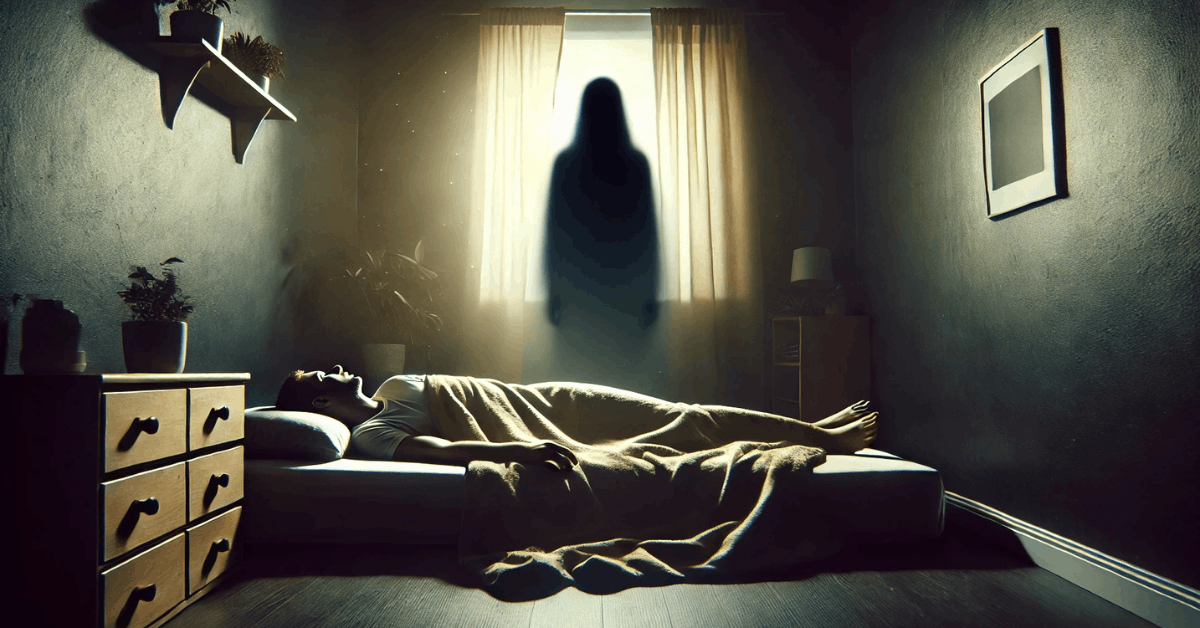
Many people report visual and auditory hallucinations during sleep paralysis. You might see a shadowy figure or hear strange whispers in the room.
These hallucinations happen while your eyes are open, making them feel real. Your brain mixes dream content with reality, causing instant fear.
Cultural and Supernatural Beliefs
Cultural interpretation influences how you react. Some people believe spirits or demons are attacking them.
These beliefs amplify the fear. In the Philippines, it’s called "bangungot". In Japan, it’s associated with spirits. These myths add another layer of dread, especially if you were raised to believe in them.
When a terrifying event has a supernatural label, fear deepens. You feel cursed, targeted, or unsafe, and that belief carries into future sleep episodes.
Who Is Most at Risk of Sleep Paralysis?
Some people are more likely to experience sleep paralysis, especially during teen years or early adulthood. Irregular schedules and high stress levels raise the risk.
Sleep routines that disrupt REM cycles increase the likelihood of episodes. Getting less than six hours of sleep can also increase your chances.
Age and Sleep Patterns
Young adults and students are more prone to sleep paralysis. This is mostly due to irregular sleep schedules and high stress levels.
As people age, episodes typically become less frequent. Poor sleep habits make REM cycles unstable.
Mental Health and Genetics
Anxiety, PTSD, and bipolar disorder are strongly linked to sleep paralysis. These mental health conditions interfere with your sleep quality. Stress and trauma worsen nighttime disruptions.
The brain stays in a hyper-alert state. This overactivity delays deep rest. Your mind may remain active while your body enters paralysis.
A family history of narcolepsy or sleep disorders also increases your risk. Genetics can affect how your brain regulates sleep stages. You may inherit a sensitivity to REM instability.
How to Prevent Sleep Paralysis?
Most people can lower their episode frequency by changing daily habits. These methods are simple but effective.
Practice Good Sleep Hygiene
Stick to a consistent sleep and wake schedule. Avoid caffeine, heavy meals, and screen time before bed. Your bedroom should be quiet, dark, and cool.
Get at least seven to eight hours of sleep per night. Avoid naps longer than 30 minutes during the day. Go to bed and wake up at the same time daily.
Good routines help your brain regulate REM sleep. The more stable your cycles are, the less likely paralysis will happen. Consistency is key.
Manage Stress and Anxiety
Practice relaxation techniques to wind down before bed. Breathing exercises, journaling, and meditation can ease a racing mind. Mental calmness is crucial for good sleep.
Limit exposure to stress at night. Avoid intense conversations, work tasks, or disturbing media before bed. These can activate your nervous system.
Staying physically active also improves rest. Exercise lowers stress and promotes deeper sleep. Even a short walk can help.
Seek Medical Advice if Needed
If episodes happen regularly, speak with a sleep specialist. They can evaluate for conditions like narcolepsy or sleep apnea. You may be referred for a sleep study (NIH on Sleep Studies).
Treatments may include therapy or medication. Cognitive Behavioral Therapy (CBT) helps address underlying stress and patterns (Mayo Clinic on CBT for Insomnia). Medication can improve sleep structure if needed.
Getting professional input is important. Frequent episodes may signal a deeper issue. Early treatment prevents the cycle from worsening.

What to Do During an Episode?
Staying calm during sleep paralysis can reduce its length and severity. Simple techniques can help you exit the state faster. Your mindset plays a huge role.
Stay Calm and Focus on Breathing
Don’t panic when you realize you can’t move. Remind yourself the feeling is temporary. Focus your attention on slow, deep breathing.
Breathe in through your nose and out through your mouth. Keeping your mind centered on breathing helps reduce fear. This calms your nervous system.
Knowing it will pass can make it easier to endure. Staying calm may help shorten the episode. Panic makes it feel longer than it is.
Try Small Muscle Movements
Focus on moving your fingers, toes, or eyelids. These smaller muscles are easier to activate. Start slow and repeat movements.
Don’t try to move your whole body at once. That can increase tension and anxiety. Instead, work with what you can control.
Small movements may break the paralysis. Once one part responds, the rest will follow. Regaining control happens in stages.
Final Thoughts: Why Knowledge Helps You Overcome Sleep Paralysis?
Sleep paralysis feels overwhelming, but understanding it reduces the fear. Once you know what’s happening, it becomes less of a mystery.
Improving your sleep hygiene and managing stress can reduce episodes. You have the power to take control of your sleep health.