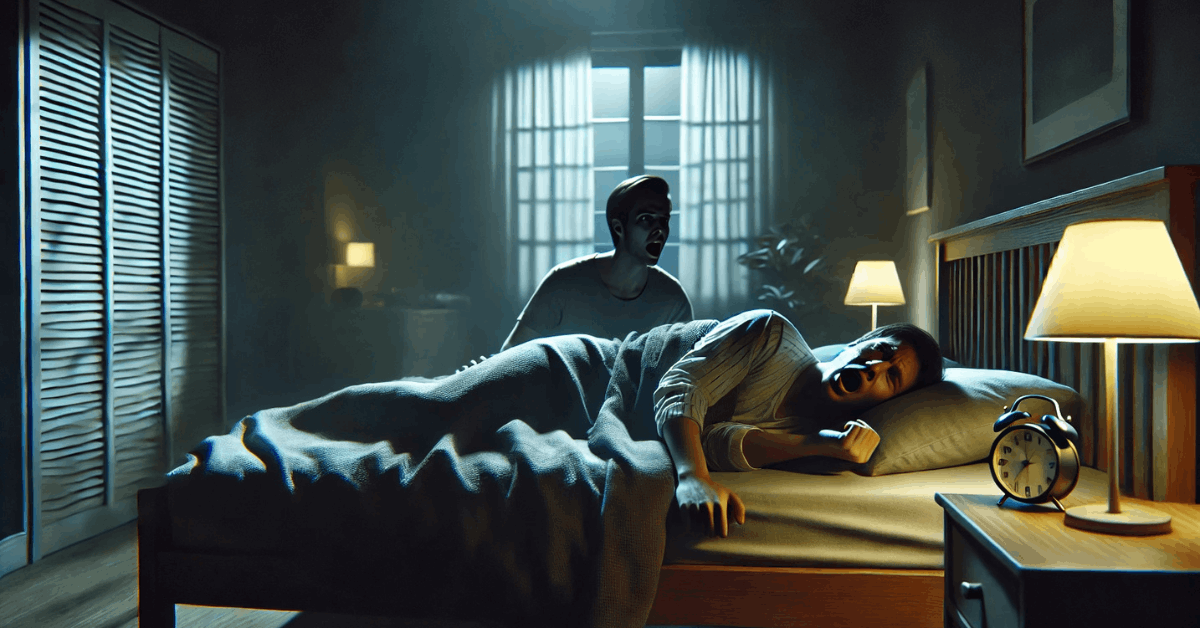

The Mandela Effect refers to a strange but familiar memory error. Many people remember events, names, or facts differently from how they happened.
These false memories are often shared by people who have never met. This article explains what causes this and what it reveals about your brain and memory.



What Is the Mandela Effect?
The Mandela Effect is when many people remember the same incorrect fact or event. It was named by Fiona Broome, who discovered others falsely remembered Nelson Mandela dying in prison in the 1980s.
In reality, he lived until 2013. This sparked online discussions about memory, perception, and reality.
These errors are not random—they're consistent and widespread. It shows how memories can feel true even when they are not.
Popular Examples That Keep Appearing
Some false memories are so common that millions of people share them. These examples often involve pop culture, brands, and famous quotes. Here are some of the most cited cases of the Mandela Effect.

- Berenstain Bears vs. "Berenstein Bears." Many remember the children's book series ending with "-stein" instead of the correct "-stain."
- Monopoly Man and the monocle. People often think he wears one, but he never has.
- Star Wars quote: "Luke, I am your father." The real line is "No, I am your father."
- Pikachu’s tail. Some recall it having a black tip, but it doesn’t.
- Looney Tunes vs. "Looney Toons." Many remember it spelled with a second "o" like "cartoons."
- Fruit of the Loom logo. People remember a cornucopia behind the fruit, but it never existed.
How Your Memory Works and Why It Fails?
Your memory is not a perfect recording. It works by reconstruction, which means your brain fills in gaps using logic, experience, or assumptions. This process makes your memory efficient, but also vulnerable to errors.
- Memory is not stored like a video. Instead, your brain uses patterns and associations to recreate past events.
- When details are missing, your brain improvises. This is why assumptions often become part of the final memory.
- Repetition strengthens errors. The more you recall a false memory, the more real it feels.
Over time, even incorrect memories can feel vivid and trustworthy. These types of errors form the core of what causes the Mandela Effect. For more details, visit APA’s explanation of memory.
Why Cognitive Bias Makes You Believe the Wrong Thing?
Cognitive biases affect how your memory interprets the world. They shape what you believe and ignore what doesn’t fit your view. These shortcuts save time but often lead to false conclusions.
- Confirmation bias reinforces belief. You notice things that support what you already think and dismiss conflicting facts.
- Schema theory organizes memory. Your brain uses mental templates that can wrongly adjust details to fit what feels familiar.
- Biases get stronger with repetition. Each time a false memory is recalled, it feels more accurate and honest.
These processes explain why the Mandela Effect is so widespread. You're not alone in misremembering things. It's how human memory naturally works.
The Internet’s Role in Mass False Memories
The digital world spreads false memories faster than ever. Social media gives people a platform to repeat the same ideas. Communities like Reddit and TikTok amplify Mandela Effect examples.
The repetition makes these mistakes feel true. If enough people say they remember it, you begin to doubt yourself. You trust the crowd.
To explore examples shared online, check out the Mandela Effect subreddit. It shows how these false memories are discussed and reinforced.
Psychological Theories That Explain Shared False Memories
Cognitive science supports specific psychological processes that explain the Mandela Effect. One key process is confabulation, where your brain creates details to fill in gaps.
These added details feel just as real as actual memories. Another factor is source monitoring error—when you mistake where a memory came from, such as a dream or fiction.
False memory formation also happens through suggestion and repeated exposure. The National Institutes of Health provides detailed research on these mechanisms.
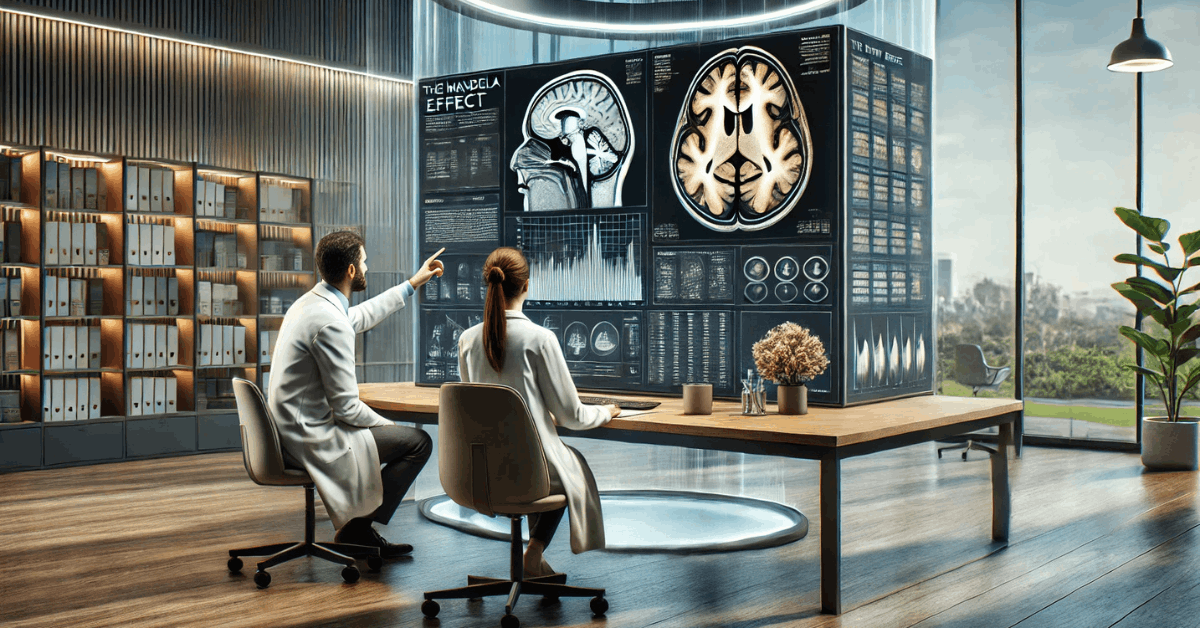
The Fringe View: Parallel Universe Theories
Some believe the Mandela Effect proves parallel universes exist. This view is exciting but not scientific; it’s based on speculation.
This fringe theory says alternate realities overlap with ours. In this view, your memory is accurate—but reality has changed. Supporters see large-scale memory errors as proof.
But there is no complex data. The scientific community favors psychological explanations, and there is no empirical support for parallel timeline shifts.
The Role of Pop Culture and Global Media
Pop culture shapes your memory more than you realize. Shared media experiences lead to universal false memories, which are amplified by exposure.
TV shows, movies, and books are often quoted incorrectly, and these incorrect versions are repeated more than the original. Logos and slogans also change or are misremembered.
Your brain prefers familiar versions of what you saw. Repetition makes the false version feel more real. That’s how global media reinforces incorrect memories.
Are These Memory Errors Harmless?
The Mandela Effect often seems harmless or fun. But it raises concerns about how you trust your memory. Small errors may seem minor, but they can have serious consequences.
Most examples involve misquotes or brand logos, but the same mental patterns influence how you remember real events.
This includes eyewitness testimony, historical facts, and political narratives. For more insight, the False Memory Syndrome Foundation provides studies and reports on memory-related errors.
How to Avoid Falling for the Mandela Effect?
Memory errors happen to everyone. But you can take simple steps to avoid falling for common false memories. Here are ways to reduce the chances of being misled.
- Question certainty. Just because a memory feels clear doesn’t mean it’s accurate—double-check if something feels off.
- Look up verified facts. Don’t rely on how many people agree with you; go straight to reliable sources or original materials.
- Check the original source. Whether it’s a quote or image, validate it by finding the first or official version.
- Avoid groupthink. Be aware that repeated claims online—even from trusted people—can create false confidence.
- Stay alert to repetition. When you see something over and over, your brain starts accepting it—especially on social media.
- Practice critical thinking. Stay objective, analyze claims carefully, and ask for proof when it matters.
Final Thoughts: Memory Isn’t Always the Truth
The Mandela Effect proves that even your strongest memories can be wrong. Shared false memories are not random; they follow patterns shaped by psychology, culture, and repetition.
Understanding why this happens helps you take your memories less personally and more critically. In a world where information spreads fast, knowing your brain’s limits is powerful.