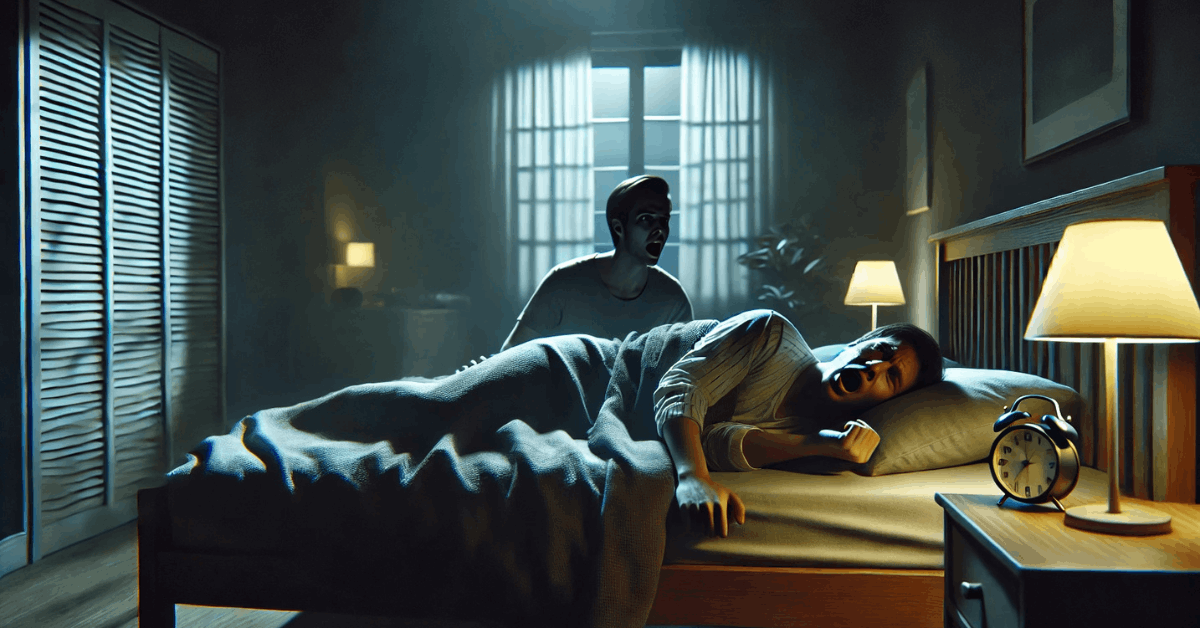

Ouija boards have long fascinated and frightened people.
Some see them as gateways to the spirit world, while others view them as harmless party games.



This article explores whether their effects are truly supernatural—or just tricks of the mind.
History of the Ouija Board
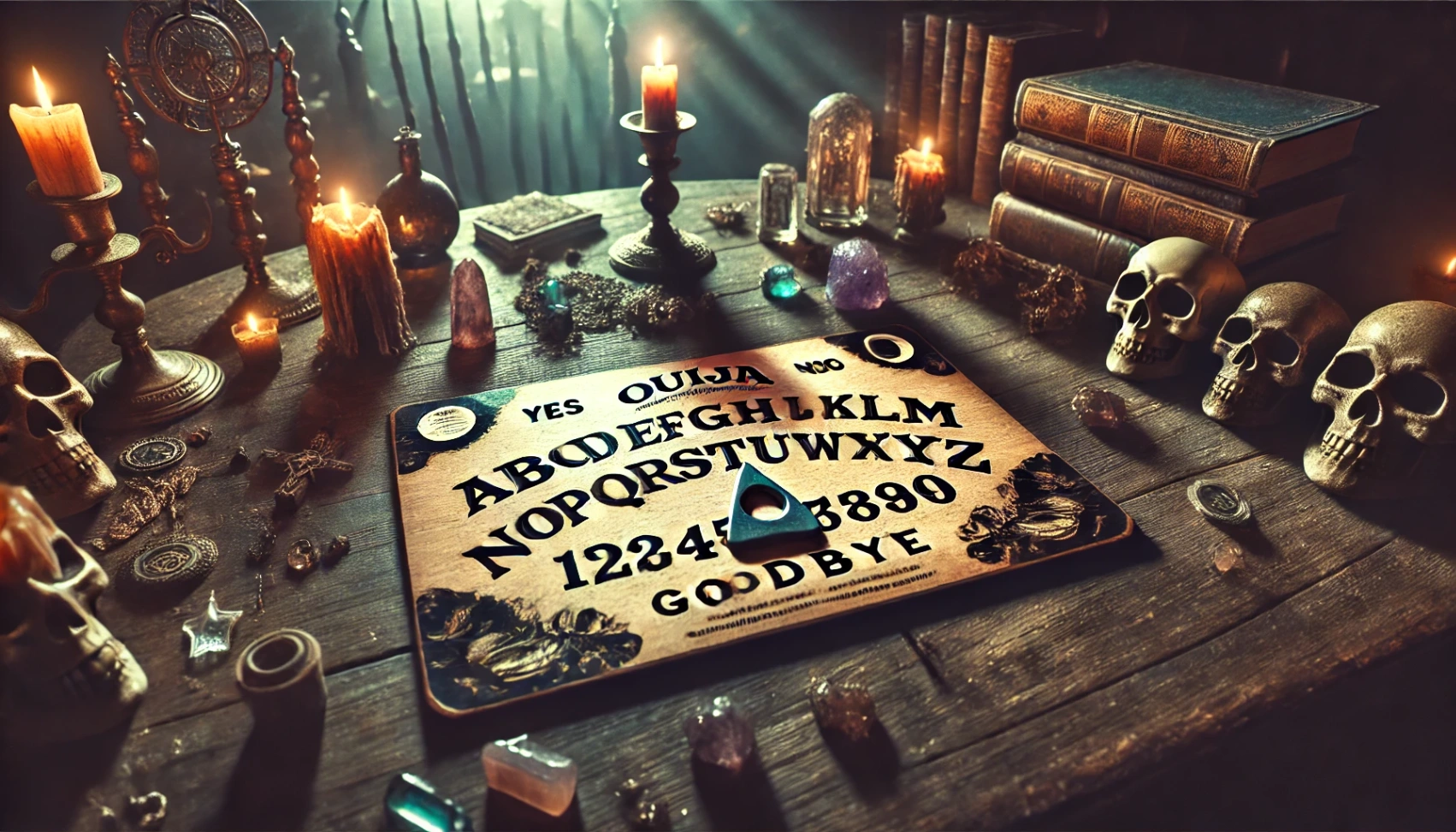
The Ouija board was first introduced in the late 1800s during the rise of spiritualism in the United States.
It was marketed as a tool to communicate with spirits and quickly became a popular parlor game.
1966, Parker Brothers acquired the rights, turning it into a commercial success.
Common Beliefs and Anecdotes
Many people associate Ouija boards with strange experiences and supernatural events.
These beliefs are often based on personal stories, movies, or cultural traditions rather than verified facts. Here's what people commonly claim:
- Spirits can communicate through the board.
- Using it can invite demons or evil entities.
- Participants often hear unexplained sounds or feel cold spots.
- Some believe bad luck follows after using the board.
- People report the planchette moving on its own.
- Horror movies often show the board leading to possessions or hauntings.
- Even skeptics sometimes describe unsettling experiences.
How the Ouija Board Works: The Ideomotor Effect
Many scientists explain Ouija board movements through the ideomotor effect, not the supernatural.
This effect involves unconscious physical movements driven by thoughts or expectations—without the user realizing it. Here’s how it works:
- Tiny muscle movements happen without conscious control.
- Your brain sends signals based on your thoughts or what you expect to happen.
- These signals cause your hand to move the planchette slightly.
- In a group, the combined small movements feel more mysterious.
- You may feel like "something else" is guiding it, but it’s your body.
- Studies have shown people move the planchette even when blindfolded.
- It feels real, but it's your subconscious doing the work.
Psychological Factors Involved
The board shapes the Ouija board experience and how your brain reacts to the situation.
Certain psychological factors make the experience feel more real, intense, or frightening. Here's what plays a role:
- Power of suggestion: If you expect something strange to happen, you're more likely to interpret regular events as paranormal.
- Group influence: Being with others can heighten emotions and encourage shared beliefs.
- Confirmation bias: You tend to notice things that match your beliefs.
- Fear and anticipation: These emotions can amplify your physical and mental reactions.
- Focused attention: Concentrating on the board can make your mind more sensitive to minor cues.
- Imagination: Your brain can fill in blanks, creating voices or sensations that aren’t there.
Cultural and Religious Perspectives
Views on Ouija boards vary widely across cultures and religions.
While some see it as a harmless game, others believe it opens dangerous spiritual doors. Here are common perspectives:
- Christianity: Many churches warn against Ouija boards, viewing them as tools for demonic influence.
- Islam: The practice is generally forbidden and is seen as invoking jinn or spirits.
- Judaism: Occult practices, including spirit communication, are discouraged.
- New Age and spiritual circles: Some believe the board can connect to spirit guides or energy fields.
- Pop culture: Horror films and stories have shaped the board’s spooky reputation.
- Skeptical cultures: Some societies treat it purely as entertainment or superstition.
Real Dangers: Not Spirits, but Emotions
While there's no solid proof that spirits are involved, the emotional and psychological effects of using an Ouija board can be real and serious.
The experience can affect how you think, feel, or behave—especially if you’re anxious or sensitive. Here are the main emotional risks:
- Fear and panic: Sudden dread or terror during or after a session.
- Obsessive thinking: Constantly replaying the experience or seeking more sessions.
- Anxiety or paranoia: Feeling watched, followed, or unsafe without reason.
- Sleep problems: Trouble falling asleep or having nightmares.
- Emotional distress: Intense guilt, sadness, or confusion triggered by the experience.
- Group pressure: Feeling forced to participate or to act scared like everyone else.
What Science Says: No Evidence of Supernatural Activity
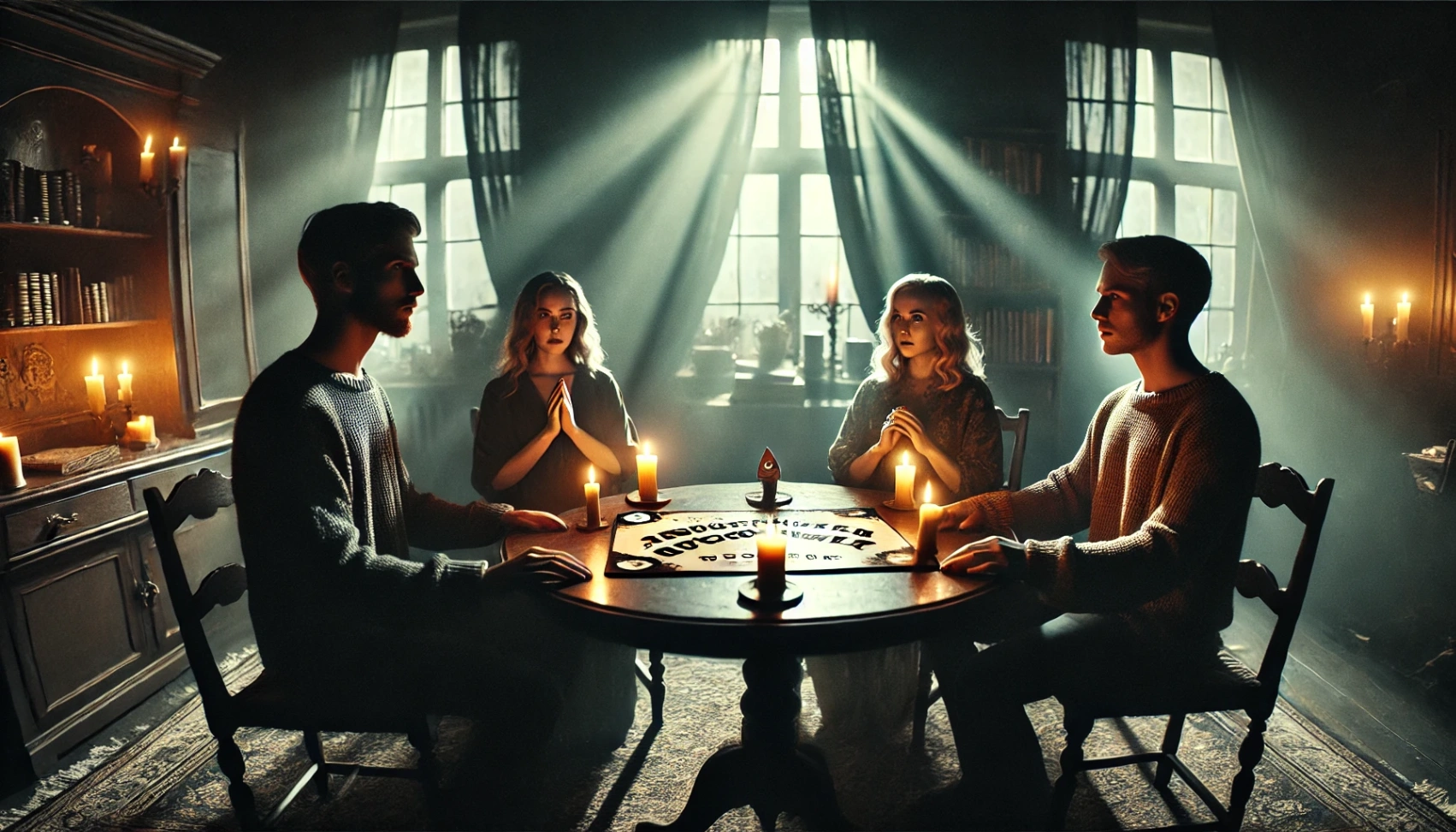
Despite many claims, scientific research has not proven that Ouija boards can contact spirits or trigger paranormal activity.
Most explanations focus on psychology and unconscious behavior. Here’s what science says:
- No verified evidence: Studies haven’t confirmed any real spirit communication.
- Ideomotor effect is well-documented: Movements come from your body, not external forces.
- Results vary based on belief: People who expect spooky outcomes are likelier to report them.
- Blind tests show unconscious control: Users still move the planchette even when blindfolded.
- Psychologists link it to suggestion and imagination: The mind fills in blanks to match expectations.
- Experts warn about emotional risks, not spirits: Focus is on anxiety and obsession, not hauntings.
Role of the Media in Shaping Fear
The media has played a significant role in shaping public fear around Ouija boards.
Movies, TV, and viral stories often exaggerate effects, making them seem more dangerous. Here's how media shapes perception:
- Horror films link the board to possession and death.
- News reports sometimes highlight dramatic, unverified claims.
- TV shows often treat it as a gateway to the paranormal.
- Social media spreads scary personal stories quickly.
- Clickbait titles increase fear for entertainment value.
- Repeated exposure builds a lasting sense of danger.
Why Some People Genuinely Feel “Something Happened”
Some people walk away from an Ouija session convinced they have experienced something real.
This is often due to how the mind interprets and responds to specific cues. Here are the main reasons behind that feeling:
- Expectation shapes perception: You’re more likely to notice “weird” things if you expect them.
- Group energy reinforces belief: Shared emotions can create a powerful atmosphere.
- Ambiguous results are open to interpretation: Vague answers can seem meaningful.
- Fear heightens senses: Your body reacts strongly, making the experience more intense.
- Memory distortion: You might remember events differently than they happened.
- Emotional involvement makes it feel real: The more invested you are, the more convincing it feels.
Use in Therapy or Experimental Settings
While Ouija boards are rarely used in formal therapy, they’ve occasionally appeared in experimental and psychological settings.
Researchers have tested them to explore subconscious thought, motor control, and belief systems. Here’s how they’ve been used:
- To study the ideomotor effect: Helps researchers understand unconscious movements.
- As a tool for free association: It is sometimes used to explore unconscious thoughts.
- In tests of belief vs. skepticism: Used to observe how expectations shape experience.
- To examine group dynamics: Helps researchers see how group pressure influences behavior.
- Rare cases in therapy as symbolic tools: Mostly discouraged due to emotional risks.
- Generally avoided in clinical settings: Seen as unpredictable and potentially distressing.
The Bottomline
Ouija boards don’t have proven links to the supernatural, but they can strongly affect your emotions and perceptions.
What feels real is often shaped by your mind, not your spirit.
If you try one, do it with awareness, and know what you're engaging with.