
Area 51 remains a symbol of secrecy that fuels both curiosity and speculation.
While many myths persist, the facts point to a military testing site with a long history of classified projects.



The mystery endures, but the reality is far less alien than fiction suggests.
What Is Area 51?
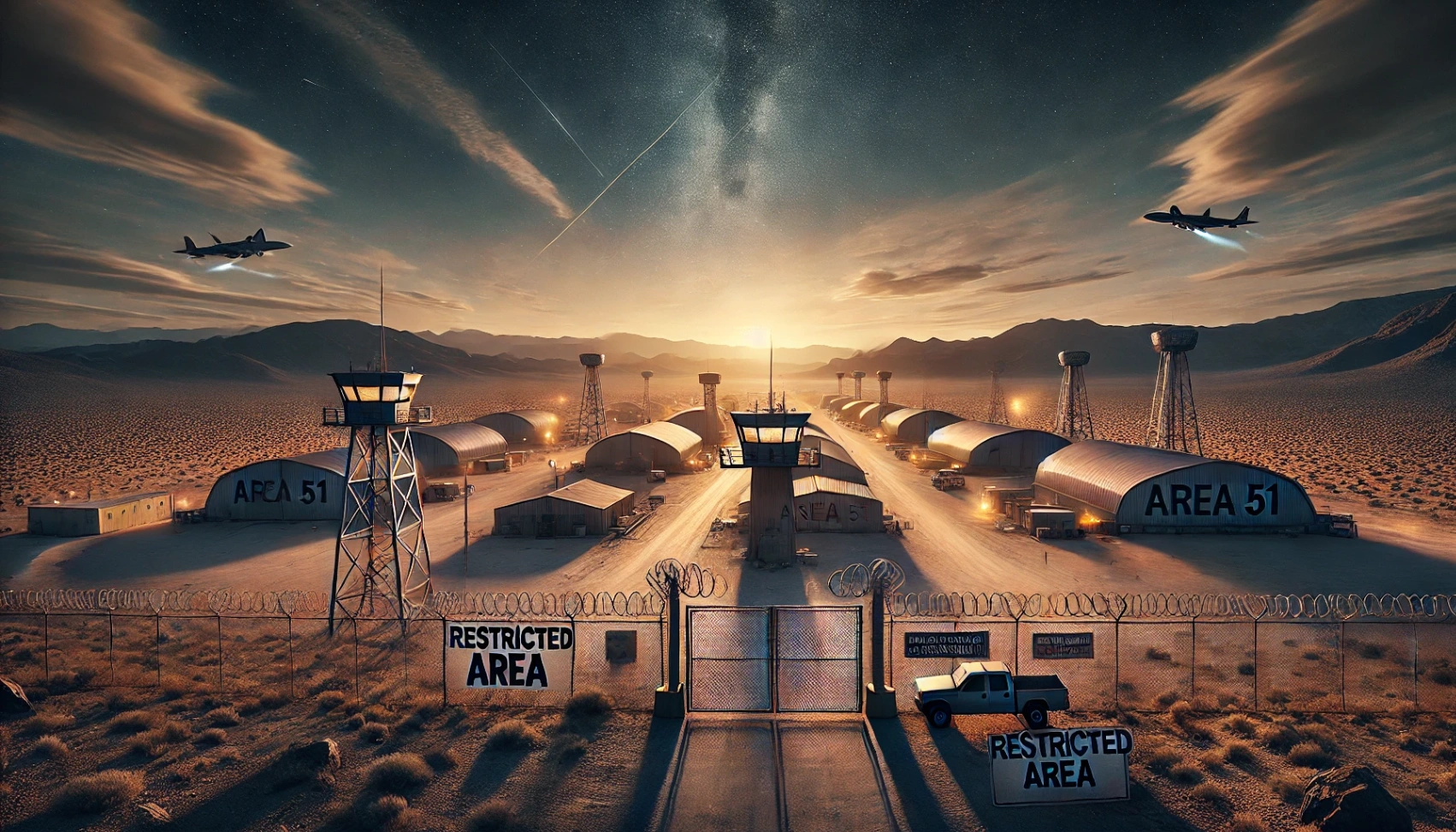
Area 51 is a highly classified U.S. Air Force facility located in Nevada, about 80 miles northwest of Las Vegas.
It’s primarily used for testing experimental aircraft and weapons systems.
The U.S. government officially acknowledged its existence in 2013 after decades of secrecy.
Popular Myths
Area 51 has been the center of wild speculation for decades.
Many stories have no official evidence but continue shaping the public imagination. Here are the most common myths:
- Alien spacecraft storage – Claims that the U.S. is hiding crashed UFOs, especially from Roswell.
- Alien autopsies – Rumors that extraterrestrial bodies are examined and stored inside.
- Time travel experiments – Theories that are based on bending time and space.
- Underground tunnel networks – Belief in hidden cities or transit systems beneath the desert.
- Secret government operations – Ideas that Area 51 is a hub for black-budget programs beyond public oversight.
What Has Been Declassified
Though secrecy still surrounds Area 51, several government documents have been made public.
These declassified records help clarify the base’s true function. Here’s what has been officially revealed:
- CIA confirmed Area 51’s existence in 2013 – After decades of denial, its location and use were acknowledged in released documents.
- U-2 and A-12 OXCART spy plane programs – Area 51 was central to testing these high-altitude aircraft during the Cold War.
- No evidence of aliens – All declassified information points to aviation projects, not extraterrestrial activity.
- Aviation testing and training – Most confirmed uses involve developing stealth and surveillance technology.
- Cold War intelligence operations – The base supported efforts to outpace Soviet surveillance and radar systems.
Why the Secrecy?
The intense secrecy around Area 51 has led to decades of speculation.
However, most of the classified nature can be explained by military and national security reasons. Here are the main factors behind the secrecy:
- Protection of advanced technology – The base tests cutting-edge aircraft that must stay hidden from foreign powers.
- Cold War strategy – Secrecy was essential to stay ahead of Soviet intelligence during the height of U.S.-USSR tensions.
- Stealth and surveillance research – Ongoing development of stealth jets and spy tools requires restricted access.
- National security laws – Area 51 falls under special use airspace and is guarded under strict federal protections.
- Preventing leaks – Limited access helps reduce the risk of classified information reaching the public or enemies.
Area 51 in Pop Culture
Area 51’s mystery has become a staple in movies, games, and conspiracy content.
Its secretive nature fuels imagination and creative storytelling. Here’s how it shows up in pop culture:
- Alien movies and TV shows – Featured in titles like Independence Day and The X-Files as a hub for alien activity.
- Video games—Games like Area 51 and Call of Duty use the base as a setting for secret missions.
- "Storm Area 51" event – A 2019 Facebook joke turned viral movement that drew global attention to the site.
- UFO documentaries and YouTube content – Countless videos and series use Area 51 as a backdrop for alien theories.
- Memes and internet culture – It’s often joked about online, reinforcing its image as a mysterious, off-limits place.
What Experts Say
Experts who have studied or worked near Area 51 offer more grounded explanations.
Their insights help separate fact from fiction. Here’s what many of them have shared:
- Former employees report aircraft testing only – Workers have described secret aviation projects, not alien research.
- Aerospace historians focus on Cold War context – They link the base’s activity to U.S. efforts to develop spy planes.
- Engineers confirm development of stealth technology – The site helped test aircraft like the F-117 Nighthawk.
- No verified alien evidence – Despite rumors, no expert has produced physical proof of extraterrestrial activity at the base.
- Secrecy seen as necessary for defense – Analysts say the classified status protects sensitive national projects.
Real Dangers and Security
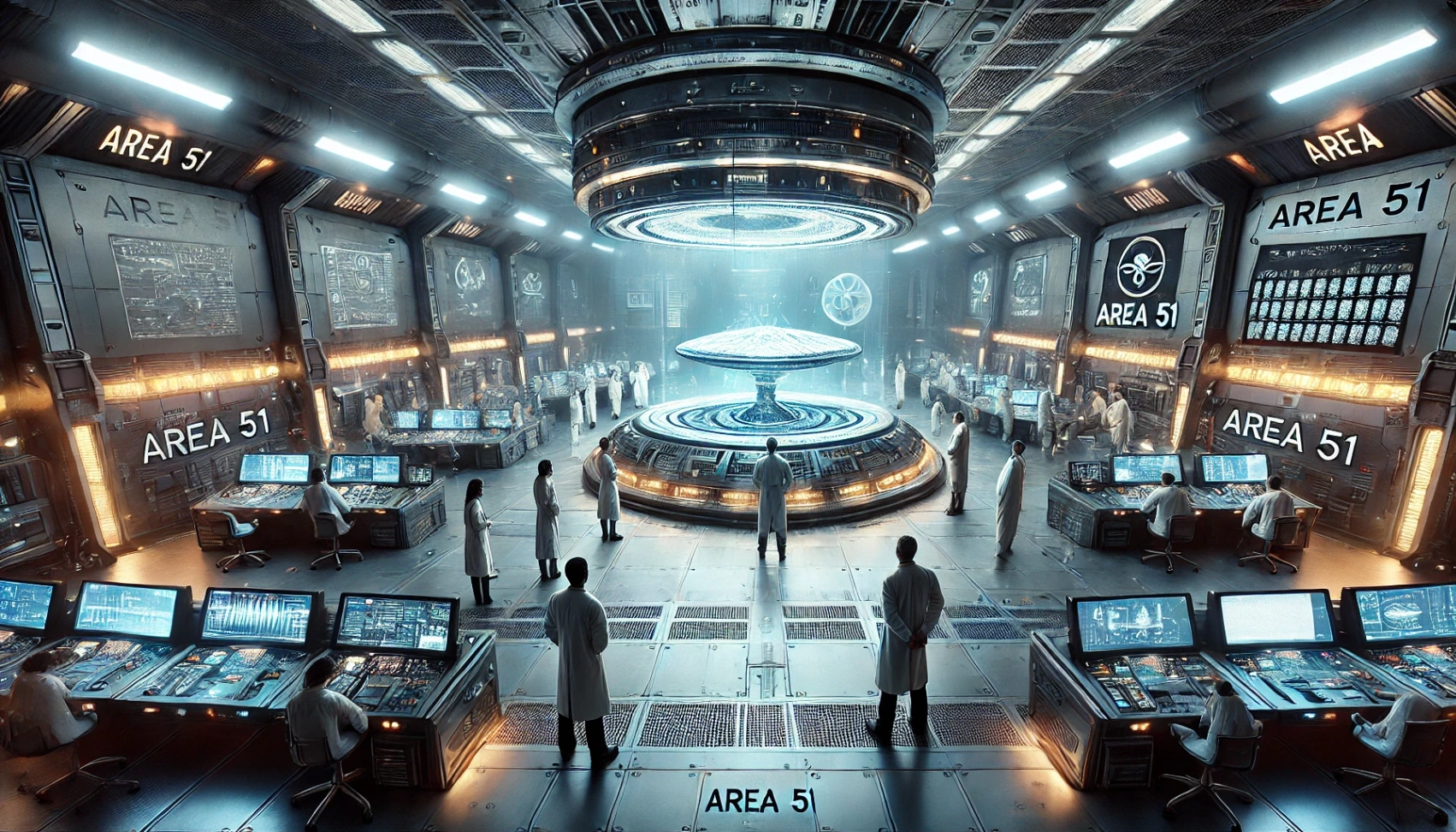
While the myths are sensational, Area 51's real risks come from its strict security and legal boundaries.
Trespassing is taken seriously, and the area is heavily protected. Here are the main concerns:
- Restricted airspace – Unauthorized flights over the base are banned and monitored by military radar.
- Armed patrols and surveillance – Security teams and cameras guard the perimeter 24/7.
- No public access – Entry without clearance is illegal and leads to arrest or fines.
- Warning signs and barriers – The base is surrounded by clear signs that mark federal property and legal limits.
- Legal consequences – Violators can face charges, including trespassing on military land and breaching national security zones.
Eyewitness Claims and Whistleblowers
Some individuals claim to have worked at or near Area 51 and share stories that fuel the mystery.
While their accounts are often sensational, they lack solid proof and remain controversial. Here are key examples:
- Bob Lazar’s testimony – He claimed in 1989 to have worked on alien technology at a site near Area 51, sparking primary public interest.
- Other unnamed insiders – Some have made similar claims, but often without credentials or evidence to back them up.
- No verified documents – These stories are widely circulated, yet none have produced official records or physical proof.
- Experts question credibility – Many scientists and researchers dismiss the claims as unsubstantiated or inconsistent.
- Media attention boosts visibility – Whistleblower accounts often go viral, increasing the spread of myths.
Government Response and Media Coverage
The U.S. government kept silent about Area 51 for decades, increasing public speculation.
When information was finally released, it came with limited detail. Media coverage has played a significant role in shaping how people view the base. Here’s how:
- Official acknowledgment in 2013 – The CIA declassified documents confirming the existence of Area 51.
- Minimal detail in releases – Most documents focused on aircraft, not extraterrestrial claims, even after confirmation.
- Freedom of Information Act (FOIA) requests – FOIA played a key role in forcing some transparency about the base’s history.
- News outlets fuel curiosity – TV reports, documentaries, and articles often highlight conspiracy angles.
- Media creates lasting myths – Popular shows and films build on secrecy, reinforcing public fascination.
Comparison to Other Secret Facilities
Area 51 isn't the only classified military site, but it is by far the most famous.
Other locations also deal with secret projects, though they don’t attract the same public attention. Here's how Area 51 compares:
- Wright-Patterson Air Force Base (Ohio) – Known for UFO rumors, but mainly a research and logistics center, especially linked to the Roswell incident.
- Dugway Proving Ground (Utah) – Used for chemical and biological defense testing; often called “the new Area 51” by some theorists.
- Groom Lake – Technically part of Area 51, this site includes runways and testing areas for experimental aircraft.
- Cheyenne Mountain Complex (Colorado) – Houses NORAD operations; highly secure but not tied to UFO myths.
- Area 51 stands out for alien theories – While others are secretive, none have inspired as many extraterrestrial claims or pop culture references.
The Bottomline
Area 51 continues to be a source of mystery, blending confirmed history with persistent myths.
While the truth points to military innovation, public fascination keeps the legends alive.
Stay curious, but always rely on facts when exploring controversial topics like this.