

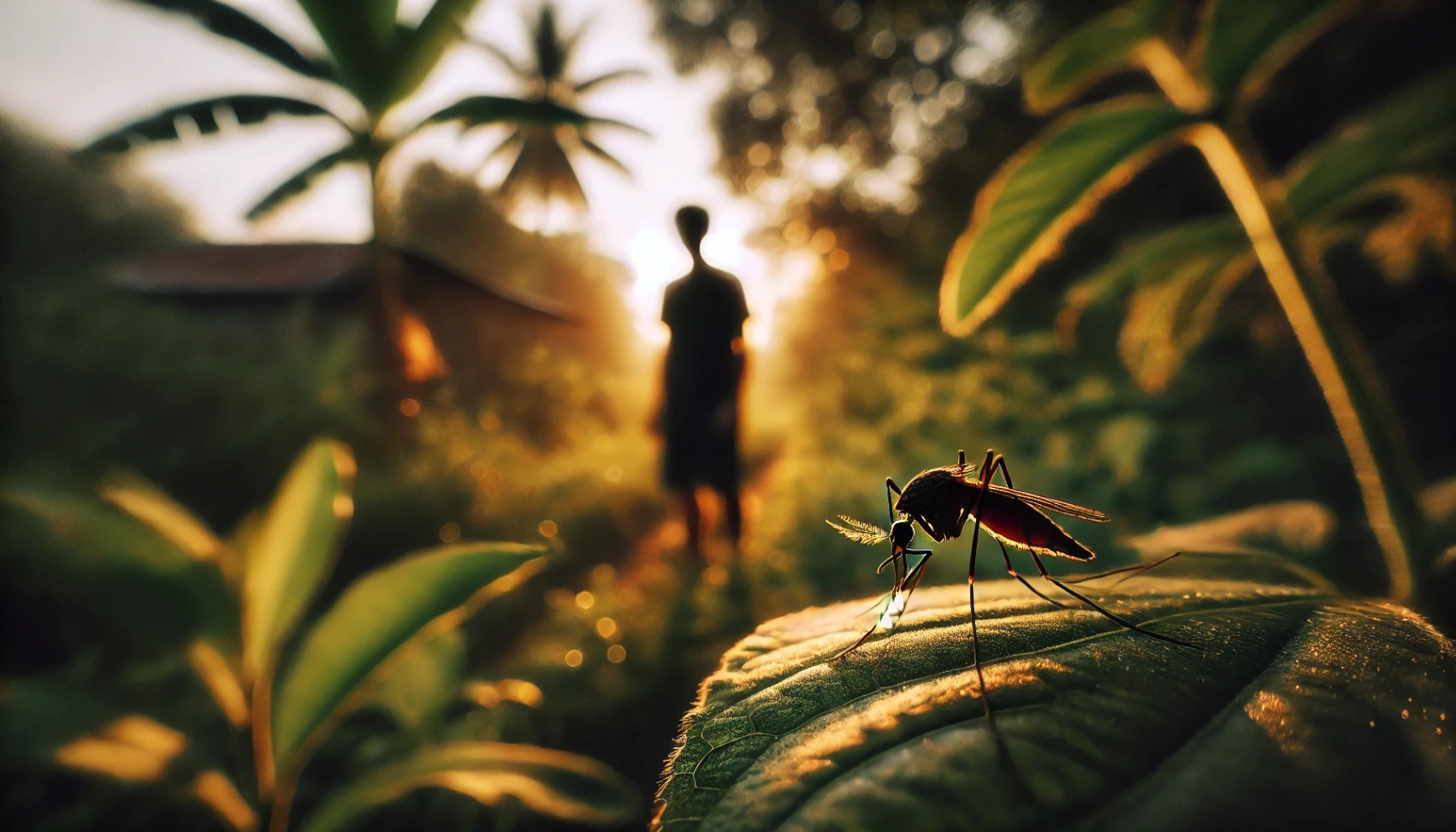
Ever wonder why you get swarmed by mosquitoes while others nearby don’t get a single bite?
It’s not your imagination—mosquitoes do prefer some people over others.



Factors like your body chemistry, blood type, and even your clothes can make you more attractive to them.
Body Chemistry and Personal Factors
Mosquitoes rely heavily on scent and chemical cues to find their targets.
Your natural body chemistry is major in whether you’re more likely to be bitten. Here are the key factors that influence their preference:
- Carbon dioxide (CO₂) output – People who exhale more, such as larger individuals or those who are physically active, attract more mosquitoes.
- Body heat – Higher body temperatures help mosquitoes locate you more easily.
- Sweat composition – Substances like lactic acid and ammonia in sweat are attractive to particular mosquito species.
- Skin microbiome – Bacteria on your skin affect your natural odor; some bacterial combinations are more appealing to mosquitoes.
- Natural scent – Some emit a smell mosquitoes find more attractive, even without perfume or products.
Blood Type and Genetic Traits
Your genetics can influence how appealing you are to mosquitoes.
Some traits you’re born with may make you more likely to be targeted. Here’s what research has found:
- Blood type O – People with type O blood are bitten more often than those with type A or B.
- Secretor status – About 80% of people secrete blood type markers through their skin, which mosquitoes can detect.
- Family genetics – Twin studies suggest that mosquito attraction is partially inherited.
- Skin compounds – Genetic factors also influence the natural chemicals your skin releases, affecting how you smell to mosquitoes.
Physical Activity and Clothing Choices
What you do and wear can affect how much attention you get from mosquitoes.
Movement, body heat, and even your outfit can all increase your chances of being bitten. Here's how:
- Exercise and movement – Physical activity raises your body temperature and increases sweat, making you easier to detect.
- Increased breathing – Heavier breathing during exercise releases more carbon dioxide, a key mosquito attractant.
- Tight clothing – Mosquitoes can bite through tight fabrics more easily than loose ones.
- Dark colors – Mosquitoes prefer black, navy, and red clothing over lighter shades.
- Moist or sweaty clothing – Damp clothes can retain scents that draw mosquitoes in.
Alcohol and Dietary Impact
What you drink and eat may influence your attractiveness to mosquitoes, though not all claims are backed by substantial evidence.
Here’s what’s known and what’s still debated:
- Alcohol consumption – Alcohol, especially beer, can raise your body temperature and change your scent, which may attract mosquitoes.
- Increased sweat and odor – Alcohol can lead to more perspiration, making it easier for mosquitoes to find you.
- Spicy foods – Some believe spicy meals increase body heat and sweating, possibly attracting mosquitoes, but there’s limited scientific proof.
- Garlic and vitamin B – Commonly believed to repel mosquitoes, but studies haven’t confirmed any strong effect.
- Bananas and potassium-rich foods – Often said to attract mosquitoes, but the evidence is primarily anecdotal.
Hormones and Health Conditions
Your hormonal state and specific health conditions can make you more appealing to mosquitoes.
These internal factors subtly change your scent, temperature, and carbon dioxide output. Here's what matters:
- Pregnancy – Pregnant women exhale more CO₂ and have higher body temperatures, which draws more mosquitoes.
- Menstrual cycle – Hormonal shifts may influence skin odor, though research is limited.
- High metabolism – A faster metabolism can increase body heat and CO₂ production.
- Fever or illness – Some infections can alter body scent or increase heat, making individuals more noticeable to mosquitoes.
- Skin conditions – Issues that affect sweat or oil production can change your natural scent profile.
Environmental Factors
Where and what’s around you can significantly affect how many mosquitoes come your way.
Some environments make it easier for mosquitoes to thrive and find you. Here are the main factors:
- Time of day – Mosquitoes are most active at dawn and dusk when temperatures are cooler and light is low.
- Humidity and heat – Warm, humid conditions are ideal for mosquito activity and survival.
- Standing water – Mosquitoes breed in stagnant water like puddles, buckets, plant trays, and clogged drains.
- Vegetation and shade – Tall grass, bushes, and shaded areas provide resting spots for mosquitoes.
- Urban vs. rural – Areas with poor drainage or dense greenery often have higher mosquito populations.

Skincare Products and Scents
The products you use on your skin can affect your attractiveness to mosquitoes.
Some scents can lure them in, while others may help keep them away. Here’s what to consider:
- Floral or fruity perfumes – Sweet-smelling fragrances can attract mosquitoes.
- Scented lotions and body washes – These may leave lingering scents that draw mosquito attention.
- Unscented or neutral products – Less likely to attract mosquitoes than heavily scented ones.
- Essential oils – Oils like citronella, eucalyptus, and lavender may offer mild repellent effects.
- Deodorants and hair products – Certain ingredients can add to your scent profile and increase mosquito interest.
Clothing Material and Fabric Type
The type of fabric you wear can influence how easily mosquitoes can find and bite you. Some materials offer better protection than others. Here's what you need to know:
- Thin or tight fabrics – Mosquitoes can bite through tight or thin materials like spandex or lightweight cotton.
- Loose-fitting clothes – Looser garments make it harder for mosquitoes to reach your skin.
- Thick or tightly woven fabrics – Denim, canvas, and other dense fabrics block mosquito bites more effectively.
- Synthetic materials – Some synthetics trap heat and sweat, increasing your scent and attractiveness.
- Treated fabrics – Clothing with built-in insect repellent (like permethrin) can help deter bites.
How to Minimize Mosquito Bites
While you can’t change your genetics or body chemistry, you can take practical steps to avoid mosquito bites. Here are effective ways to reduce your risk:
- Use insect repellent – Choose repellents with DEET, picaridin, or oil of lemon eucalyptus.
- Wear long sleeves and pants – Covering your skin helps block bites.
- Opt for light-colored clothing – Mosquitoes are less attracted to light shades.
- Avoid peak mosquito hours – Stay indoors during dawn and dusk when mosquito activity is highest.
- Use fans – Air movement makes it harder for mosquitoes to fly near you.
- Install window and door screens – Keep mosquitoes from entering your home.
- Eliminate standing water – Remove water from buckets, plant trays, and other containers where mosquitoes breed.
- Sleep under a mosquito net – Especially useful in high-risk areas or during travel.
- Avoid scented body products – Skip perfumes or heavily scented lotions that may attract mosquitoes.
The Bottomline
Mosquitoes are drawn to people for various reasons, including body chemistry, genetics, activity, and environment.
While you can't control everything, small changes in habits and clothing can make a big difference.
Take action now by using repellents, dressing smart, and reducing mosquito-friendly conditions around you.