Some people see mental suggestion as a party trick, while others believe it has real therapeutic value. The question of whether hypnosis is real continues to stir debate. The truth is more complex than it seems.
In this article, you'll get answers backed by psychology and real-world uses. We’ll look at trance states, their use, and whether they're real or just staged entertainment.



What Is Hypnosis?
Let’s start with the basics. Before deciding if it's real, you need to understand what this practice means.
The State of Trance
This is a mental state of focused attention and reduced peripheral awareness. People in this condition are more open to suggestions.
It’s not sleep or unconsciousness. You’re still aware of your surroundings but focused inward.
Brain and Suggestibility
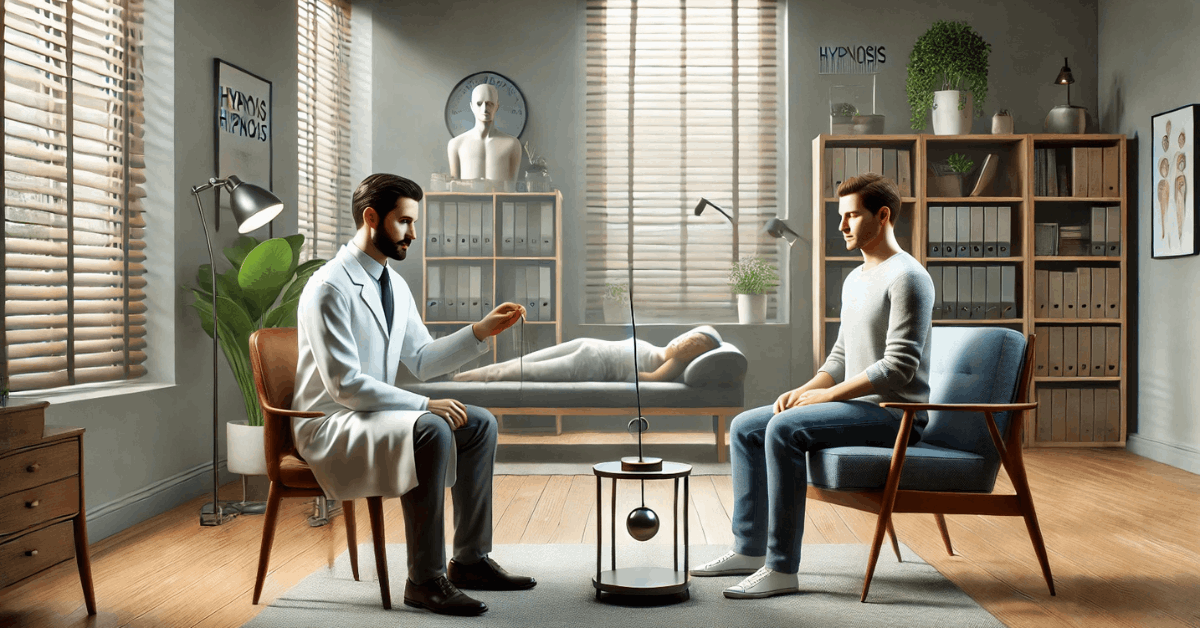
The experience involves a trance-like state that can be induced by a therapist or self-practiced. It’s used in both entertainment and therapy.
Brain imaging studies show that altered mental states affect attention, memory, and decision-making areas.
Hypnosis in Entertainment
Now let’s look at what you see on stage or TV. These shows shape most public opinions about the practice.
Suggestibility and Performance
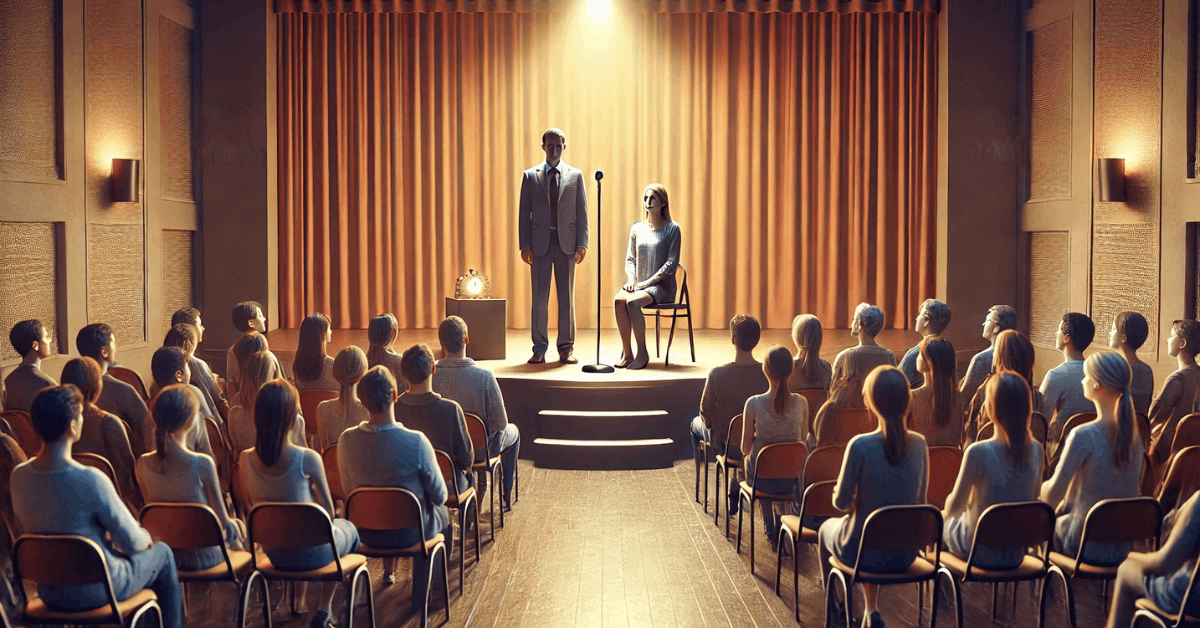
Stage acts use a performance technique. The hypnotist selects highly suggestible people from the audience.
These participants are usually open to performing and being watched. What follows is a mix of real suggestibility and social pressure.
Audience Perception
Many people go along with suggestions because they’re expected to. It’s not entirely fake, but it is exaggerated. To the audience, the acts look convincing. But much of it is compliance, not control.
Clinical and Therapeutic Use
Let’s shift to the medical and psychological world. Here, these methods play a very different role.
Medical Use of Suggestion
Hypnotherapy is used to treat conditions like chronic pain, anxiety, PTSD, and phobias. It’s also applied in smoking cessation and weight loss programs.
Licensed professionals guide patients through structured sessions. It’s not about control or tricks, but about helping clients access deeper focus.
Research and Training
The results vary, but some patients report significant benefits. It’s often used alongside other treatments.
There’s solid research behind therapeutic use. The American Psychological Association recognizes it as a legitimate treatment tool.
Can Everyone Be Hypnotized?
Not everyone responds the same way. Some people are more receptive than others.
Hypnotic Susceptibility
Susceptibility refers to how easily someone can enter a trance. It's measured using tools like the Stanford Hypnotic Susceptibility Scale.
About 10–15% of people are highly susceptible. Most fall somewhere in the middle.
Common Mental States
Some mental states you experience every day closely resemble trance. These states show how natural and ordinary suggestibility can be.
- Zoning out during repetitive tasks: When you're driving or doing chores on autopilot, you're focused but detached.
- Getting lost in a movie or book: Immersion in stories creates deep focus and emotional openness.
- Daydreaming: A mild trance where your mind drifts and your awareness narrows.
- Meditation and mindfulness: These states involve deep concentration and altered awareness.
- Guided relaxation or visualization: Used in therapy and self-help, they engage imagination and reduce outside distractions.
- Falling into a repetitive rhythm: Music, chanting, or breathing patterns can shift you into a more suggestible state.
Everyday Hypnotic Moments
People often experience light trance in daily life. Examples include highway hypnosis while driving or zoning out during a lecture.
These moments involve focused attention and reduced awareness. This shows that trance-like experiences are part of how your mind naturally works.
The experience feels familiar because it is. That’s why self-hypnosis can be effective.
Scientific View: What Experts Say?
You’ve seen the entertainment and therapy sides. Now here’s what science says. Most psychologists and neuroscientists agree that focused mental states are a real cognitive phenomenon.
It affects brain activity in measurable ways. The prefrontal cortex and anterior cingulate cortex show altered activity. These changes impact focus, awareness, and suggestion response.
Research and Studies
Multiple studies support these techniques for pain control, anxiety reduction, and behavior change. One study from Stanford used brain scans to confirm these changes.
Others note improvements in surgical recovery and emotional therapy. The effects are real — not imagination. However, results still vary by individual. Some people respond better than others.
Ongoing Controversy
Despite decades of research, these practices remain controversial in some fields. Critics point to issues with measurement and replication.
They question consistency across studies. Some compare it to the placebo effect. Still, many professionals recognize the value. When applied correctly, it offers practical benefits.
How It Is Used in Modern Practices?
These techniques are increasingly integrated into cognitive-behavioral therapy (CBT). They help reinforce positive behavior changes.
Therapists may use them to address fears, phobias, and performance anxiety. The goal is to create a stronger mental association with new behaviors.
This integration approaches more accepted. It blends science and practical application.
Medical Settings
Doctors and dentists sometimes use these methods for pain management and procedural anxiety. It’s a tool for patients who prefer non-drug solutions.
It can reduce pre-surgery stress and assist with post-operative recovery. Some cancer centers include it in pain and stress care.
When paired with standard treatment, it supports faster healing. Results vary but are supported by evidence.
Personal Development
Many use it for self-improvement goals. Examples include breaking habits, boosting self-confidence, or managing stress. Self-guided techniques are available for home use.
This form is accessible and safe when used correctly. Users report improved focus and mood. It’s a growing trend in mental wellness.
Main Differences Between Trick and Therapy Use
Below are key distinctions that separate clinical use from performance hype.
- Purpose:
- Stage use is for audience laughs.
- Therapy use is for healing and behavior change.
- Environment:
- Performances happen under public pressure and lights.
- Therapy sessions are private and safe.
- Technique:
- Stage performers use rapid induction and suggestion.
- Therapists use structured scripts and patient goals.
- Consent:
- Volunteers often feel pressured to perform.
- Clients give informed consent and set clear intentions.
Conclusion: Hypnosis Is More Than Smoke and Mirrors
Hypnosis isn’t magic or mind control. It’s a real psychological state backed by science and therapeutic practice. Whether it helps depends on how and why it's used.
If you're still wondering is hypnosis real, talk to licensed professionals or check trusted sources like the American Psychological Association or Mayo Clinic.